By
By 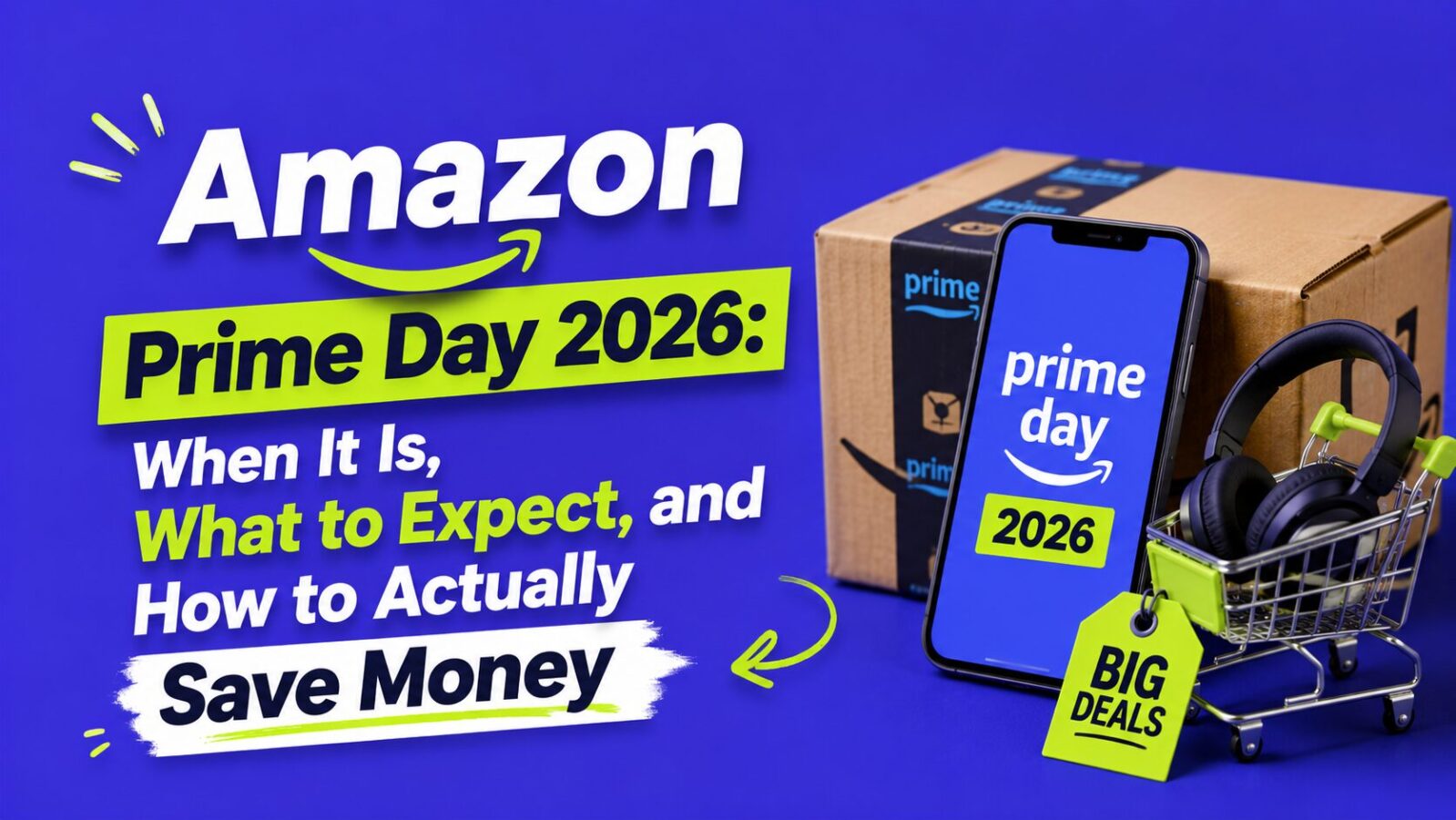
Updated July 2026. Amazon Prime Big Deal Days 2026 hasn’t been officially scheduled yet, but the pattern is remarkably consistent: four straight years in early-to-mid October, moving about a day earlier each year (Oct 11-12 in 2022, Oct 10-11 in 2023, Oct 8-9 in 2024, Oct 7-8 in 2025). Expect an announcement in September and an event date somewhere in the first two weeks of October 2026. Here’s what to expect and how to actually save money once it lands, instead of just spending more.
Key Takeaways
- No official date yet. Based on 2022-2025 history, Prime Big Deal Days 2026 is most likely to land in the first two weeks of October, with Amazon announcing it in September.
- This is Amazon’s fall event, separate from summer Prime Day, which already ran June 23-26, 2026.
- The real deals are still Amazon’s own devices; everything else needs a price-history check.
- Walmart, Target, and Best Buy run competing sales the same week, so compare before buying.
When Is Prime Big Deal Days 2026?
Amazon has not announced a date as of early July 2026. Here’s the event’s full history, which is the best evidence available for a prediction:
| Year | Dates | Name |
|---|---|---|
| 2022 | Oct 11-12 | Prime Early Access Sale |
| 2023 | Oct 10-11 | Prime Big Deal Days |
| 2024 | Oct 8-9 | Prime Big Deal Days |
| 2025 | Oct 7-8 | Prime Big Deal Days |
Following that trend, a reasonable estimate for 2026 is the second week of October, though Amazon could hold steady or shift depending on the holiday shopping calendar. Worth noting: Amazon moved this year’s summer Prime Day to June 23-26, its first time out of July since 2021, so this event’s calendar is less locked-in than it used to be. Bookmark this page; it will be updated the moment Amazon confirms a date.
Wait, Didn’t Prime Day Already Happen This Year?
Yes. Amazon’s main summer Prime Day ran June 23-26, 2026. Prime Big Deal Days is a separate, second Prime-member sale that Amazon has run every fall since 2022, timed right before the holiday shopping season starts. Think of it as a second, smaller Prime Day aimed at early holiday gift buying rather than mid-year deals.
What Is the Honest Truth About Prime Big Deal Days Deals?
Amazon controls when deals go live, what counts as a “deal,” and how discounts are calculated, so price-tracking tools consistently find that some prices are discounted from a recently raised “regular” price, competing retailers often match or beat Amazon, the best deals are almost always Amazon’s own devices, and impulse buys drive most of the spending. None of this makes the event a scam; it means you should shop deliberately rather than reactively.
What Should You Actually Buy?
Best bets: Amazon’s own devices. Echo, Kindle, Fire TV, Fire tablets, and Ring reliably hit their lowest prices of the year during this event, often 30% to 50% off.
Good bets: electronics and appliances ahead of the holidays. TVs, headphones, robot vacuums, and air fryers see genuine 20% to 40% discounts, but compare Walmart and Best Buy, which run matching sales the same week.
Use caution: clothing, beauty, and food. These categories have the most inconsistent discounting. Spend your budget on durable goods and gifts, not consumables.
How Do You Get Actual Deals, Not Just Sales?
- Check price history first. Use camelcamelcamel.com to see an item’s full Amazon price history; if it’s already near its 12-month low, the event may not beat it.
- Set a total holiday-shopping budget across all purchases, not per item, so the “it’s only $30” effect doesn’t add up.
- Compare competitors. Walmart Deals and Target Circle Week run the same week every year and are worth 60 seconds of comparison for anything over $50.
- Ignore countdown timers. Lightning Deal clocks are a behavioral nudge, not real scarcity.
Which Credit Card Should You Use?
- Prime Visa (Chase): unlimited 5% back at Amazon.com, Whole Foods, and Chase Travel for Prime members, plus 2% at gas stations and restaurants, no annual fee. New cardholders get a $200 Amazon gift card on approval.
- US Bank Cash+: lets you pick 5% categories, a strong flexible option if online shopping is one of them.
- Chase Freedom Unlimited: 1.5% on everything and sometimes bonus Amazon offers in the Chase app. Full Chase Freedom Unlimited review.
Using a 5% card instead of a 1.5% card on $500 of holiday spending is $17.50 extra back in your pocket, and it compounds over every shopping event you use it for.
Best Cards for Fall and Holiday Shopping
If you’re deciding which card to carry into the holiday season, these guides break down the options: Citi Double Cash review (flat 2% back, no annual fee), Apple Card review (3% at Apple and select merchants), and Capital One Venture X review if you’d rather earn travel rewards on gift purchases. If you’re building a broader shopping fund, see our guide to the best cash-back cards.
Do You Actually Need Prime?
If you’re not a member and only want the deals, run the math: Prime is $139 a year ($14.99/month), so you’d need to save more than that beyond what competing sales offer to break even on deals alone. Ages 18-24 qualify for Prime for Young Adults at $7.49/month or $69/year. For households already using Prime for shipping and streaming, it pays for itself and this event is a bonus. If you only want the sale, Walmart Deals and Target Circle Week run at the same time with no Amazon membership required, or use a 30-day free Prime trial that covers the event and cancel before it renews.
Who Else Runs Sales the Same Week?
- Walmart: Walmart Deals, free with a Walmart account, five-hour early access for Walmart+ members.
- Target: Target Circle Week, free to join, up to 50% off across categories.
- Best Buy: a matching fall sale, no membership needed for most deals.
- Costco: member-only electronics and appliance deals in the same window.
FAQ
When is Prime Big Deal Days 2026?
Amazon hasn’t announced a date yet. Based on 2022-2025 history (all in the first two weeks of October), expect an announcement in September and an event in early-to-mid October 2026.
Is Prime Big Deal Days the same as Prime Day?
No. Prime Day is Amazon’s summer sale (June 23-26 in 2026). Prime Big Deal Days is a separate fall event Amazon has run every October since 2022, aimed at early holiday shopping.
Do you need Prime to shop the deals?
Most deals require Prime ($14.99/month or $139/year, $7.49/month or $69/year for ages 18-24). Non-members can use a 30-day free trial or shop Walmart Deals and Target Circle Week, which need no membership.
What are the best things to buy?
Amazon’s own devices (Echo, Kindle, Fire TV, Ring) hit their lowest prices of the year. Electronics and appliances see real 20-40% discounts ahead of the holidays. Clothing, beauty, and food deals are the least consistent.
Bottom Line
Prime Big Deal Days 2026 will likely land in early-to-mid October, and it’s genuinely good for Amazon’s own devices and holiday electronics, but shop with a set budget and a price-history check rather than reacting to countdown timers. Compare Walmart, Target, and Best Buy on anything over $50, use a 5% card, and save your budget for durable goods and gifts rather than inconsistent clothing and food “deals.”
A quick note: dates and prices in this guide are for planning purposes only, not personal financial advice. Amazon hadn’t confirmed Prime Big Deal Days 2026 dates as of this update, so check amazon.com/primebigdealdays before you build plans around it, and always compare a deal’s real price history before buying.