By
By 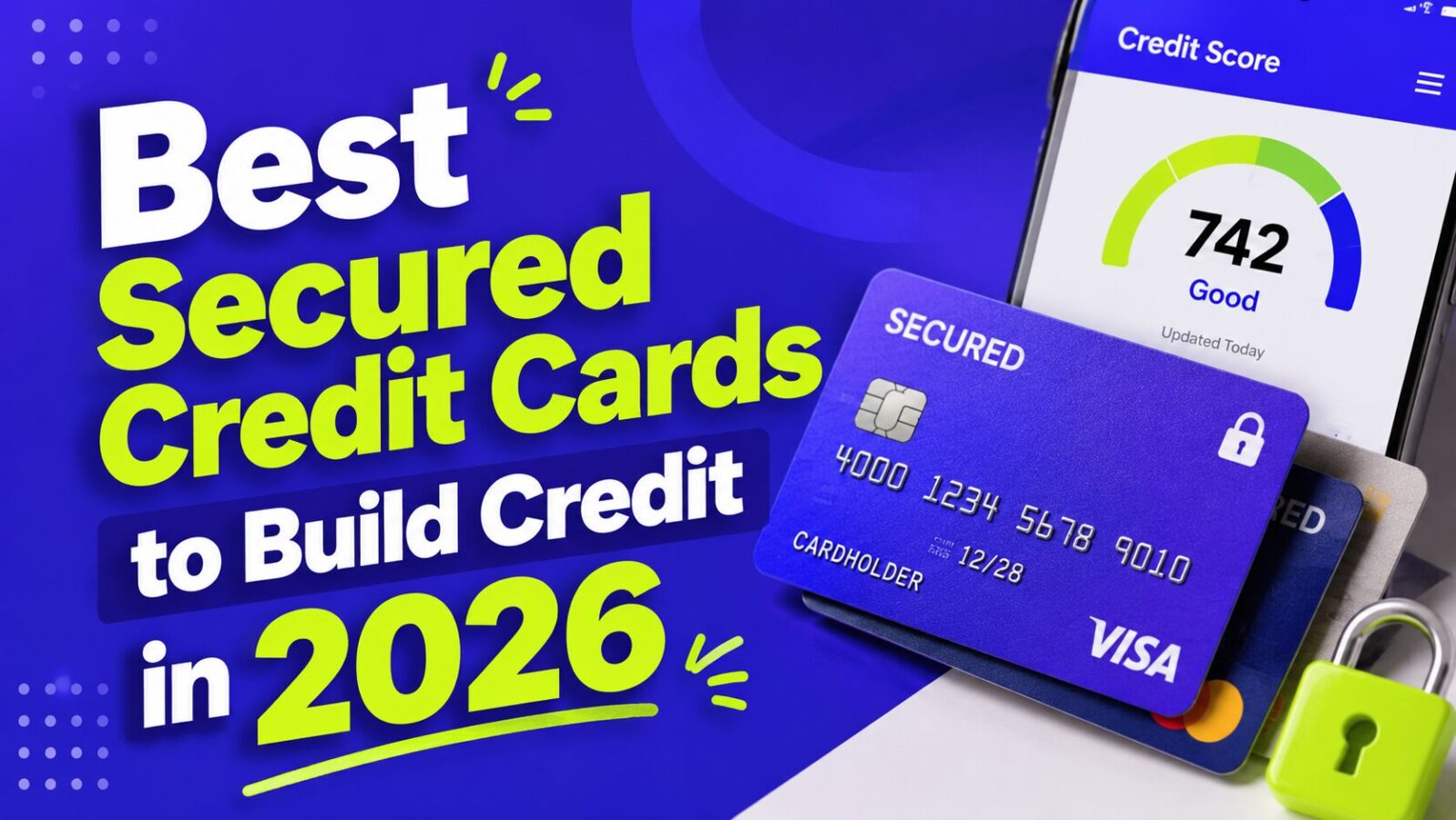
Disclosure: this page includes affiliate links, so we may earn a commission at no cost to you. See our full disclosure.
A secured credit card is the most reliable way to build or rebuild credit in 2026, because your security deposit removes most of the risk for the issuer, making approval easier even with bad or no credit. The best options report to all three credit bureaus, charge no annual fee, and give you a clear path to graduate to an unsecured card once your history improves.
KEY TAKEAWAYS
- A secured card requires a refundable deposit, usually $49-$200 minimum, that typically becomes your credit limit.
- Look for no annual fee, reporting to all three bureaus, and a stated path to a refunded deposit or graduation to an unsecured card.
- Some cards, like OpenSky, skip the credit check entirely, which helps if your file is too thin or damaged for a standard approval.
- Keep utilization under 10% on a secured card. A low limit means even a small balance can spike your utilization ratio.
- Most issuers review your account for an upgrade or deposit refund after 6-12 months of on-time payments.
How Do Secured Credit Cards Work?
You put down a cash deposit, usually held by the issuer, and that deposit typically sets your credit limit. You use the card like any other credit card, and the issuer reports your payment activity to the bureaus every month. Pay on time and keep your balance low, and the account builds positive history the same way an unsecured card would. Miss payments, and it hurts your score just as much as any other card.
The deposit is not a fee. It is refundable, usually when you close the account in good standing or when the issuer upgrades you to an unsecured card. That is the key difference from a prepaid debit card, which does not build credit at all because there is no lending relationship or bureau reporting involved.
Best Secured Credit Cards to Build Credit in 2026
| Card | Min. deposit | Best for |
|---|---|---|
| Discover it Secured | $200 | Cash back plus a no-annual-fee track record for building credit |
| Capital One Platinum Secured | $49-$200 | Lowest possible entry deposit |
| Capital One Quicksilver Secured | $200 | Earning 1.5% cash back while you rebuild |
| OpenSky Secured Visa | $200-$3,000 | No credit check required to apply |
| Self Visa Secured | $100 | Pairing a credit builder loan with a secured card |
Approval and specific terms depend on your creditworthiness and can change at any time. Confirm current fees, deposit requirements, and APR directly on the issuer’s site before applying.
What to Look for in a Secured Card
- No annual fee. There is no reason to pay a yearly fee on top of your deposit when several strong no-fee options exist.
- Reports to all three bureaus. Some secured cards only report to one or two. Confirm Equifax, Experian, and TransUnion are all covered, since lenders may pull any of the three.
- A stated graduation path. The best cards automatically review your account every 6-12 months and either refund your deposit and convert you to an unsecured card, or clearly explain what it takes to get there.
- Reasonable APR. You should be paying your balance in full every month anyway, but a lower APR protects you if you ever carry a balance unexpectedly.
Secured Card vs. Credit Builder Loan: Which Should You Use First?
They solve slightly different problems. A secured card builds your credit utilization and payment history through everyday spending, while a credit builder loan is a small forced-savings loan that reports fixed monthly payments. Many people use both at once since they report different account types and both count toward your credit mix. If you are choosing just one to start, a secured card is usually more flexible because you control how much you charge and pay off each month.
For a deeper look at how secured cards differ from a standard unsecured card, see our secured vs. unsecured credit cards guide.
How to Use a Secured Card Without Hurting Your Score
- Keep utilization under 10%. On a $200 limit, that means keeping your statement balance under about $20.
- Set up autopay for at least the minimum. A single missed payment can undo months of progress, since payment history is the largest factor in your score.
- Do not close it too early. Closing a card can shorten your average account age and reduce available credit, both of which can ding your score. Wait until you have another account with solid history before closing a secured card.
- Ask about upgrades before applying elsewhere. If your issuer will convert your secured card and refund your deposit, that often beats opening a brand-new unsecured card and adding another hard inquiry.
FAQ
Do secured credit cards build credit as fast as unsecured cards?
Yes. Bureaus do not distinguish between secured and unsecured accounts when scoring, so on-time payments and low utilization help your score the same way either type of card would.
Do I get my deposit back?
Yes, typically when you close the account in good standing or the issuer upgrades you to an unsecured card. Confirm the exact terms with your issuer, since policies vary.
How long should I keep a secured card before upgrading?
Most issuers review accounts for an upgrade after 6-12 months of on-time payments and reasonable utilization, though this varies by card and issuer policy.
Can I get a secured card with no credit history at all?
Yes. Secured cards are one of the few products explicitly designed for people with no credit file or damaged credit, and some, like OpenSky, do not require a credit check to apply.
Bottom Line
A no-annual-fee secured card that reports to all three bureaus is one of the fastest, lowest-risk ways to start or rebuild your credit file. Keep utilization low, never miss a payment, and ask about upgrading to an unsecured card once your history improves.
A quick note: this guide is here to help you compare secured card features, not to promise approval or specific terms. Approval depends on your individual creditworthiness, and card terms change, so always confirm current rates and fees on the issuer’s site before applying.