By
By 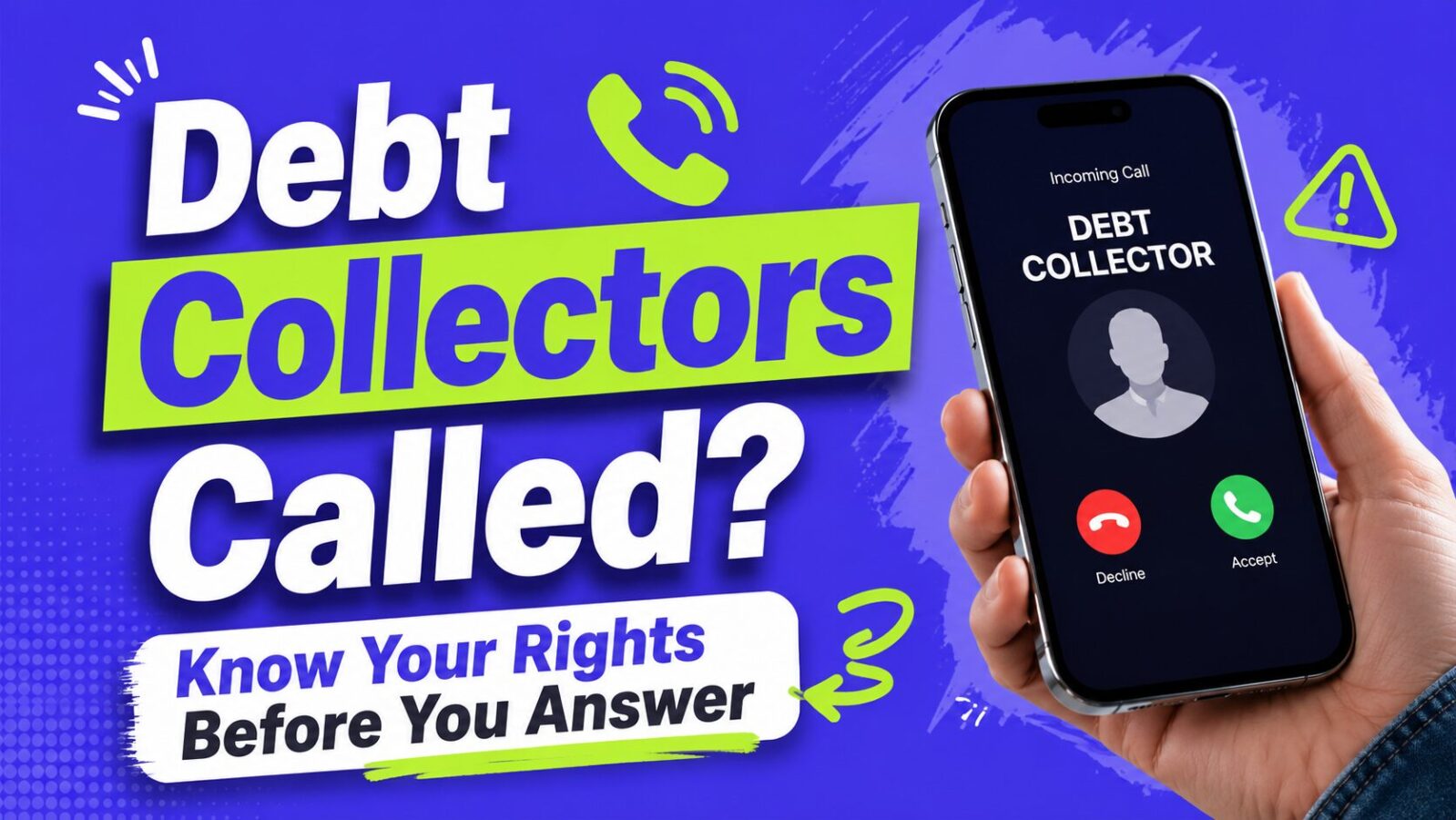
Debt collectors can call, text, email, and mail you about debts you owe. What they cannot do is threaten, harass, lie, or contact you at inconvenient hours. The Fair Debt Collection Practices Act (FDCPA) gives you specific, enforceable rights that most people do not know they have, and knowing them changes the power dynamic in every conversation. This is general information, not legal advice, so consider an attorney for your specific situation.
Key Takeaways
- You do not have to resolve anything on the first call. Your goal is to gather information, not pay under pressure.
- Request validation in writing within 30 days, which generally pauses collection until they verify the debt.
- You can demand they stop contacting you, though that does not erase a valid debt.
- FDCPA violations are enforceable, with statutory damages up to $1,000 plus attorney fees.
What Collectors Can and Cannot Do
They cannot:
- Call before 8 AM or after 9 PM in your time zone.
- Call you at work after you tell them your employer does not allow it.
- Keep contacting you after a written cease-communication request (except to confirm they will stop or to notify you of specific legal action).
- Use obscene or profane language, or threaten violence.
- Falsely claim to be an attorney or a government agency.
- Threaten to sue when they do not intend to.
- Misstate the amount you owe.
- Discuss your debt with friends, family, or coworkers, except to locate you.
- Report false information to the credit bureaus.
They can: contact you by phone, mail, text, and email; contact your attorney if you have one; report the debt to the bureaus; file a lawsuit if the debt is within the statute of limitations; and negotiate a settlement.
The First Call: What to Say
On the first call, you are not required to discuss the debt, confirm information, or pay anything. Your goal is to gather facts, not resolve things under pressure. A simple script:
“I need to verify this debt in writing before I discuss anything. Please send me written validation with the name of the original creditor, the amount owed, and your agency’s information. I will review it and contact you after I receive it.”
Then you can end the call. You are not being rude, you are exercising your right to verification before taking any action.
Your Right to Debt Validation
Under the FDCPA, if you request validation in writing within 30 days of the collector’s first notice, they generally must pause collection until they send verification, including the amount, the original creditor’s name, and proof of their right to collect (the chain of ownership if the debt was sold). Send your request by certified mail with return receipt and keep a copy. Our debt validation letter template has the exact language.
Your Right to Stop Contact
You can send a written cease-communication letter telling the collector to stop contacting you. After they receive it, they can reach out only once more, to confirm they will stop or to notify you of a specific action like a lawsuit. This does not make the debt disappear, but it stops the pressure while you decide what to do. Use it strategically: if the debt is valid and within the statute of limitations, stopping contact does not prevent a lawsuit, so it is most useful when constant calls are affecting your life and you need room to plan.
If a Collector Violates Your Rights
FDCPA violations carry real consequences. A collector who breaks the law can be sued for actual damages (such as emotional distress or lost wages), statutory damages up to $1,000 per action regardless of actual harm, and your attorney fees and court costs. To act on a violation, document everything: screenshot texts, save voicemails, and log the date, time, and content of every call. File complaints with the CFPB at consumerfinance.gov/complaint and your state attorney general. For serious violations, many consumer-law attorneys take FDCPA cases on contingency, meaning they are paid from the damages, not by you.
Negotiating a Settlement
If the debt is valid and you want to resolve it, collectors often settle for less than the full amount, especially on older debts. You might start with an offer around 25% to 40% of the balance. Never agree verbally, and get the amount and terms in writing before sending any payment. One caution: settling can hurt your credit and forgiven debt over $600 may be taxed as income, so weigh it carefully and consider a nonprofit credit counselor first.
FAQ
Do I have to talk to a debt collector?
No. You are not required to discuss or confirm anything on a call. You can ask for written validation and end the conversation.
Can I make a debt collector stop calling?
Yes, with a written cease-communication request. After that they can contact you only to confirm they will stop or to notify you of legal action. It does not erase the debt.
What if a collector breaks the rules?
Document it and file complaints with the CFPB and your state attorney general. You may be able to sue for up to $1,000 in statutory damages plus fees, often with an attorney working on contingency.
Should I settle a debt?
It can reduce what you owe, but it may hurt your credit and trigger taxes on forgiven amounts. Get any deal in writing and consider a nonprofit counselor before agreeing.
Bottom Line
The key to dealing with collectors is to slow things down: gather information, demand written validation, and never pay under pressure on a first call. Know what collectors can and cannot do, document any violations, and use your right to stop contact when you need breathing room. For a fuller plan, see our guides on recovering from delinquency and managing debt.
This article is for educational and informational purposes only and is not legal or financial advice. The FDCPA and your rights vary by situation and state, and laws change. For a lawsuit or complex case, consult a licensed consumer-law attorney, and verify current rights at consumerfinance.gov.