By
By 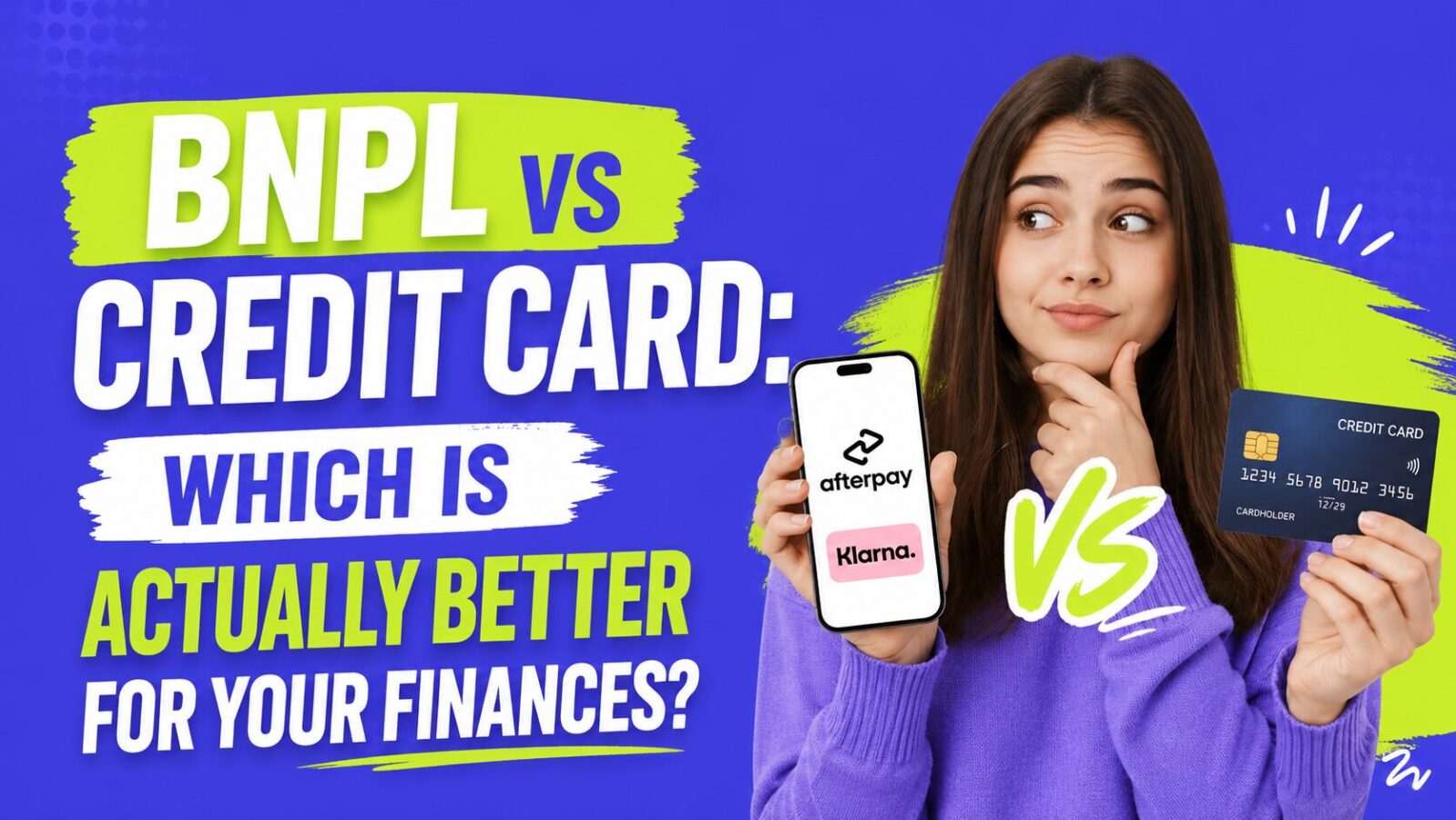
Buy Now Pay Later and credit cards are both ways to buy something you do not have the cash for right now. They look similar at checkout, but they behave very differently afterward. Here is an honest comparison of the two, who each is better for, and the situations where both are worse than simply waiting until you have the money.
Key Takeaways
- For people who pay in full, a credit card beats BNPL on fraud protection, rewards, credit building, and visibility.
- BNPL wins in one narrow case: splitting a planned purchase at 0% when you would otherwise carry a card balance.
- Carrying a card balance is expensive, at an average APR around 21.5% as of early 2026.
- If you cannot say how you will pay it off, neither option is the right answer.
How They Compare Side by Side
| Feature | BNPL (Pay in 4) | Credit card (paid in full) | Credit card (carrying balance) |
|---|---|---|---|
| Interest if paid on time | 0% | 0% | ~21.5% average APR |
| Late fees | $7 to $10 per missed payment | $29 to $40 | $29 to $40 |
| Builds credit | Often not yet (changing slowly) | Yes, strongly | Yes, but high utilization hurts |
| Fraud protection | Limited, improving | Strong (FCBA, $0 liability) | Strong (FCBA, $0 liability) |
| Rewards/cash back | None | 1% to 5% depending on card | 1% to 5%, but offset by interest |
| Visibility of obligations | Fragmented, hard to track | One clear statement | One clear statement |
| Impact on credit if late | Increasingly yes | Yes, significantly | Yes, significantly |
Figures are approximate and as of early 2026, and terms vary by provider and card, so confirm current details before relying on them.
When BNPL Is Actually Better
BNPL at 0% beats a credit card in one specific scenario: you need to split a purchase into payments, you are confident you will make every payment on time, and you would otherwise carry a credit card balance at around 21% or more.
Example: you need a $600 laptop for work, you do not have $600 right now, but you will have $150 every two weeks. Four BNPL payments at 0% cost nothing. Putting it on a credit card and carrying the balance for two months would cost roughly $21 in interest. BNPL wins here. It is also reasonable when you are disciplined about using it only for planned purchases, not impulse buys, and you use just one plan at a time so you can actually see what you owe.
When a Credit Card Is Better
A credit card paid in full each month beats BNPL in almost every other situation:
- Fraud protection. Credit cards carry federal zero-liability protection under the Fair Credit Billing Act. BNPL dispute resolution varies by provider and is generally weaker, so a card is safer for anything with fraud risk.
- Credit building. Every on-time card payment builds your score. Most BNPL payments still do not report positively to the bureaus, so you get no credit-building benefit.
- Rewards. A 2% cash-back card earns about $12 on a $600 purchase. BNPL earns nothing, and over years of spending that adds up.
- One clear statement. A single card statement shows everything you owe. Four BNPL apps on different schedules require active tracking to avoid missed payments and the fees that follow.
If you are choosing a card, see our roundup of no-annual-fee cards for beginners and our Citi Double Cash review. Approval depends on your creditworthiness, and terms can change.
When Neither Is the Right Answer
If you are reaching for BNPL or a credit card because you do not have the money and are not sure when you will, neither one is appropriate. Both are borrowing, and borrowing for a want while you already carry debt at around 21% makes a tough situation worse.
The honest question before any BNPL or credit card purchase: if this costs $X and I do not have $X, what specifically changes in the next six weeks that lets me pay it? “I get paid next week” is a reasonable bridge. “I do not know, I will figure it out” is how debt quietly grows into a crisis. Being aware of that impulse is part of broader mindful spending.
FAQ
Is BNPL better than a credit card?
Only in a narrow case: splitting a planned purchase at 0% when you would otherwise carry a card balance and you will pay every installment on time. For most people who pay in full, a credit card is better overall.
Does BNPL build credit?
Usually not yet. Most BNPL plans do not report positive payments to the bureaus, though that is slowly changing. A credit card paid on time does build credit.
Does BNPL hurt my credit if I am late?
Increasingly, yes. More BNPL providers are reporting missed payments, and a late BNPL payment can show up on your credit report.
Which has better fraud protection?
Credit cards, by a wide margin, thanks to federal zero-liability protection. BNPL dispute handling varies by provider and is generally weaker.
Bottom Line
For financially stable people who pay in full each month, a credit card beats BNPL in almost every way, with better fraud protection, rewards, credit building, and visibility. BNPL is genuinely useful in the narrow case where splitting payments at 0% helps your cash flow and you are confident you will pay on time using a single plan. If you cannot answer how you will pay it off, the best choice is to wait.
This article is for educational and informational purposes only and is not financial advice. Rates, fees, and terms vary by provider and card and change over time. Confirm current details before borrowing, and consider a qualified professional for your situation.