By
By 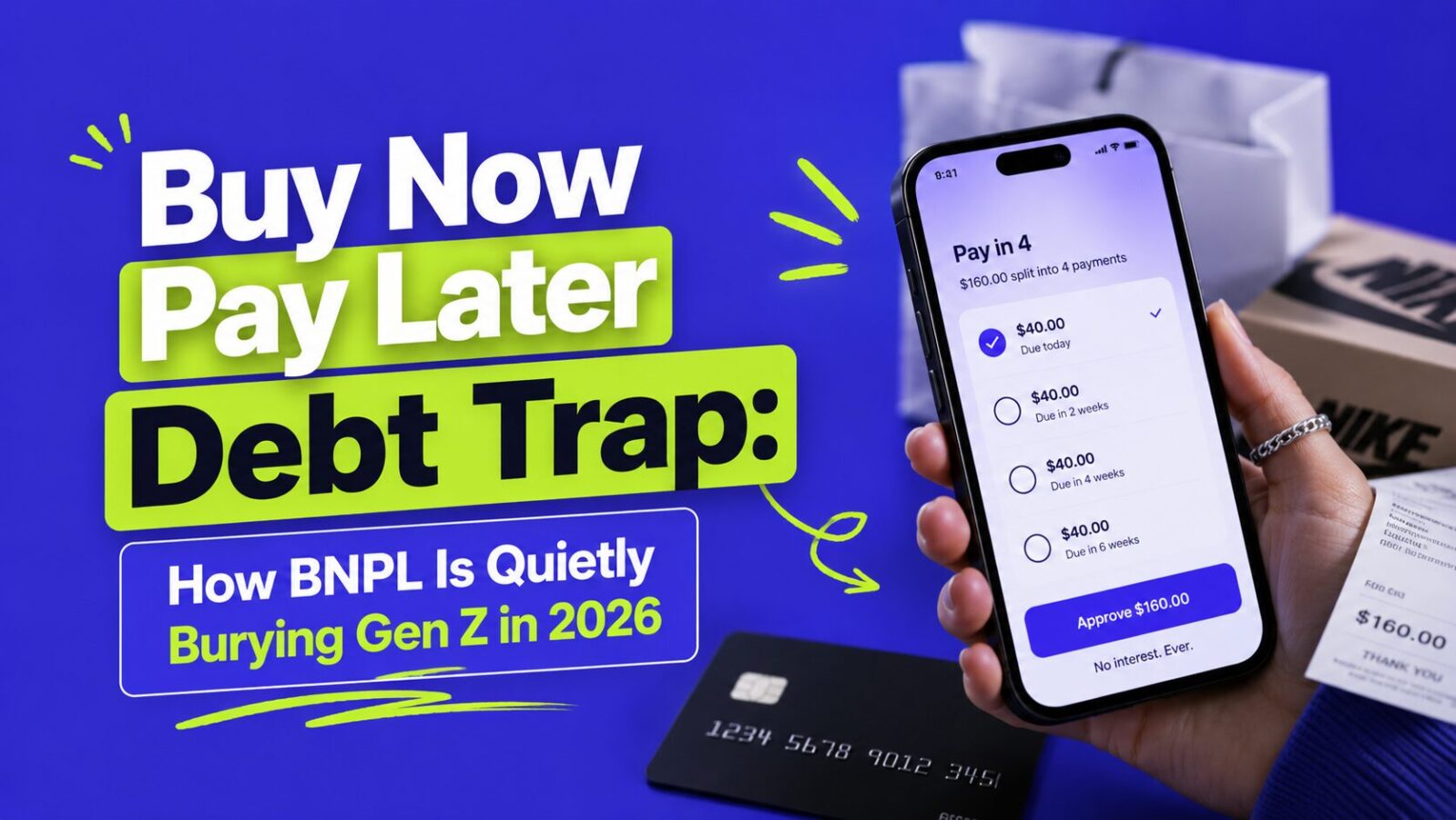
Buy Now Pay Later (BNPL) splits a purchase into 4 payments over 6 weeks, usually interest-free if you pay on time. The pitch sounds harmless, but the design encourages overspending: U.S. BNPL volume reached roughly $70 billion in 2025, and a large share of Gen Z users report missing at least one payment. The trap is not the single purchase; it is stacking several invisible plans across different apps. Here is how it works and how to use BNPL without getting caught.
Key Takeaways
- Small framing hides the cost, so people spend more than they would with cash or a card.
- Multiple plans across apps are invisible, with no single statement of what you owe.
- BNPL is starting to hit credit reports, so missed payments increasingly do real damage.
- Use it only for planned purchases, one plan at a time, and track every active plan.
Why Does BNPL Feel Different From Debt?
BNPL avoids the psychological weight of debt through design. Small framing: a $200 purchase becomes four payments of $50, shifting your anchor from the full price to the installment; Motley Fool research found BNPL users spend 10% to 40% more per transaction than card users. Little or no credit check: Affirm, Klarna, and Afterpay use soft or no checks for smaller purchases, removing the natural gatekeeping of underwriting. Instant approval: the checkout flow creates a “yes” in 30 seconds, before you have weighed whether you can afford the full amount. Invisible stacking: you can run plans with Affirm, Klarna, Afterpay, and PayPal at once, with different due dates and no consolidated view.
What Are the Real Costs When You Miss a Payment?
The “pay in 4 with no interest” offer has conditions, and consequences vary by provider:
| Provider | Late fee | Interest |
|---|---|---|
| Afterpay | About $8 to $10 per late payment | No interest (late fees only) |
| Klarna | Up to about $7 | No interest on Pay in 4 |
| Affirm | No late fee on Pay in 4 | 0% on Pay in 4, up to ~36% on longer plans |
| PayPal Pay Later | No late fee on Pay in 4 | No interest on Pay in 4 |
The fees compound with multiple plans. Five plans at $50, all due the same week, mean $250 due at once, often from a paycheck that never accounted for the overlap, plus late fees if any slip.
Is BNPL on Your Credit Report Now?
It is starting to be. For years BNPL was largely invisible to credit scoring, but that is changing: FICO introduced a BNPL-specific score in 2025, and some providers have begun reporting certain loans to the bureaus (Affirm, for example, reports some loans to Experian and TransUnion). Reporting is still inconsistent and many BNPL loans remain invisible, but the trend is clear: missed BNPL payments increasingly show up as derogatory marks like any other missed payment. The old assumption that BNPL never touches your credit is no longer safe. See our guide on how your credit score is calculated.
How Does BNPL Debt Quietly Accumulate?
BNPL debt builds through a specific pattern: each purchase feels manageable on its own ($37.50 four times for a jacket, $22.50 for shoes, $62.50 for a case), so none feels like debt. Together they become $122.50 due every two weeks across multiple apps, never visible as a single number unless you add it up. Research suggests many BNPL users carry several active plans at once and underestimate their total obligation, not because they are lying, but because no consolidated view exists.
How Do You Use BNPL Without Getting Trapped?
BNPL is not inherently bad. For something you already budgeted for and would buy anyway, splitting into 4 payments at 0% is just free deferred payment. The danger is using it to afford things you cannot actually afford. Rules that keep it safe:
- One plan at a time. Do not start a new plan while one is active, so your exposure stays visible.
- Only for planned purchases. If you were not already going to buy it before seeing BNPL at checkout, skip it. BNPL should finance timing, not appetite.
- Track every plan in one place. A phone note or spreadsheet listing each plan, total owed, and next due date, reviewed before any new purchase.
- Count the full price as spent today. Mentally deduct the whole purchase price, not just the first installment, to avoid the “I only spent $37.50” error.
- Set your own reminders. A calendar event the day before each due date prevents surprise late fees.
What If You’re Already in BNPL Debt?
List every active plan with its remaining balance and next due date, then total it. If that total exceeds a month of your income, treat it as urgently as credit card debt. Pay the plans with the closest due dates first to stop late fees, and contact providers directly about hardship options, since most major ones offer payment extensions or rescheduling. For larger BNPL balances (over $1,000 total), the debt snowball works: clear the smallest plan first, roll its payment into the next, and repeat. See our guide on BNPL vs credit cards.
FAQ
Does Buy Now Pay Later affect your credit score?
Increasingly, yes. FICO added a BNPL score in 2025 and some providers now report certain loans to the bureaus, so missed payments can hurt your credit. Reporting is still inconsistent, but the old assumption that BNPL is invisible no longer holds.
Why is BNPL considered a debt trap?
Because small installments hide the true cost and multiple plans across apps have no single view, people overspend and lose track of what they owe, then face stacked payments and late fees all at once.
How do I use BNPL responsibly?
Use one plan at a time, only for purchases you already budgeted, track every active plan, treat the full price as spent immediately, and set your own payment reminders.
What happens if I miss a BNPL payment?
You may owe a late fee (around $7 to $10 with some providers), longer plans can carry interest up to about 36%, and the missed payment can increasingly appear on your credit report.
Bottom Line
BNPL is not the enemy, but its design encourages overspending and hides how much you owe across multiple invisible plans, and it now increasingly affects your credit. Use one plan at a time, only for planned purchases, track them all, and treat the full price as spent today. To go deeper, see our guides on BNPL vs credit cards, how much debt is too much, and how your credit score is calculated.
This article is for educational and informational purposes only and is not financial advice. Provider terms, fees, and credit reporting practices change, so confirm current details with each BNPL provider.