By
By 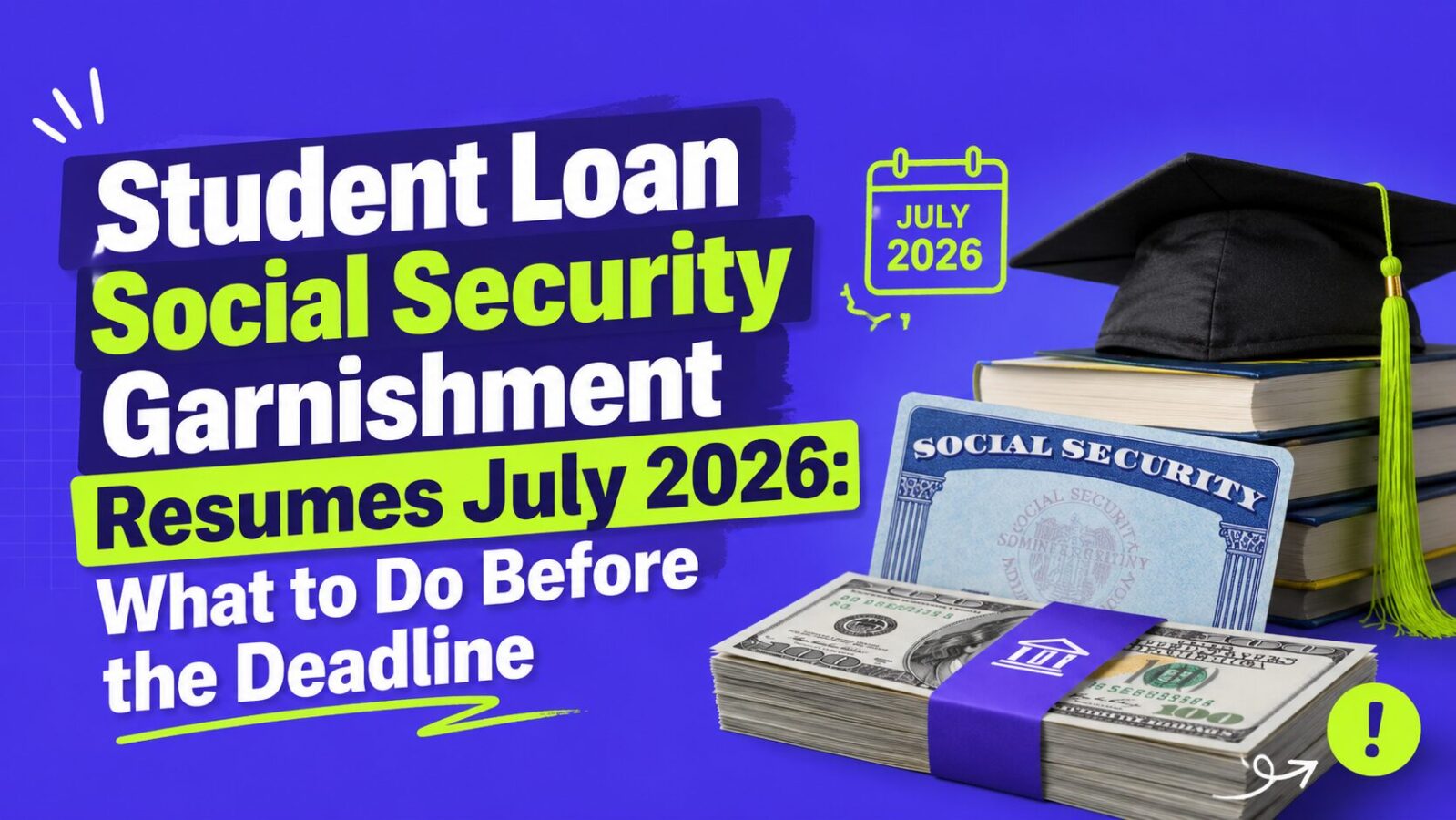
If you receive Social Security and have a defaulted federal student loan, time is running out. The Department of Education paused involuntary collections, including Social Security offsets, on January 16, 2026, while it builds new repayment infrastructure, and July 2026 is the practical horizon for resumption. Once collections restart, the government can withhold up to 15% of your monthly benefit without a court order. About 452,000 Social Security recipients have defaulted loans. Here is exactly what to do before the deadline.
Key Takeaways
- Collections are paused until around July 2026, then up to 15% of your benefit can be withheld.
- A $750 monthly floor is protected, but anything above it is subject to offset.
- Rehabilitation or consolidation exits default and stops the offset; act now, not at the notice.
- SSDI/SSI recipients may qualify for a full discharge through Total and Permanent Disability.
What Is Happening and Why?
Federal loans default after 270 days of missed payments, after which the government can garnish wages, seize tax refunds, and withhold federal benefits, including Social Security, without going to court. The administration paused these collections in 2025, and on January 16, 2026 the Department of Education extended the pause to finish rolling out the new Repayment Assistance Plan (RAP), which launches July 1, 2026. No firm restart date for Social Security offsets has been announced, but July 2026 is the practical horizon.
The protection floor is $750 a month, meaning your benefit cannot be reduced below $750, but up to 15% of the amount above it can be withheld. On $1,500 a month, that is up to $225; on $2,000, up to $300. There is no statute of limitations on federal student loan debt, so the government can collect indefinitely.
Who Does This Affect?
You are at risk if all three are true: you receive Social Security retirement, disability (SSDI), or survivor benefits; you have a federal (not private) student loan; and that loan is in default (missed payments for 270+ days without exiting default). Private student loans cannot trigger Social Security garnishment; only federal loans through the Treasury Offset Program can. If you are unsure, log in to studentaid.gov with your FSA ID to check your status, or call your servicer. See our guide on wage garnishment.
What Are Your Options Before July 2026?
Loan rehabilitation (best for most). Make 9 voluntary, on-time payments in a 10-month window, with amounts based on income, often as low as $5 a month. Completing it exits default, removes the default mark from your credit report, and restores income-driven repayment and aid eligibility, and offset cannot resume on a rehabilitated loan. It takes at least 9 months, so you may not finish before July, but once you are enrolled and paying, the Department typically pauses collection during rehabilitation. Enroll immediately and ask specifically whether offsets pause while you rehabilitate.
Loan consolidation. Consolidating a defaulted loan into a Direct Consolidation Loan also exits default, often in 30 to 90 days, faster than rehabilitation, though it does not erase the default mark from your credit report. You must agree to repay under an income-driven plan. Apply at studentaid.gov.
Total and Permanent Disability discharge. If you receive SSDI or SSI for a disability unlikely to improve, you may qualify for a TPD discharge that cancels your federal loans entirely, with the SSA’s disability designation as sufficient documentation. Apply at disabilitydischarge.com; processing takes months, so start now.
Financial hardship objection. If collections resume and you cannot afford the offset, you can file a hardship objection asking to reduce or eliminate the withholding below the standard amount. This does not exit default; it only lowers what is withheld.
The new RAP plan. Once RAP launches July 1, 2026, defaulted borrowers may be able to enroll directly without formal rehabilitation or consolidation, though the rules for default borrowers are still being finalized. Watch studentaid.gov in late June and early July. See our guide on getting out of default.
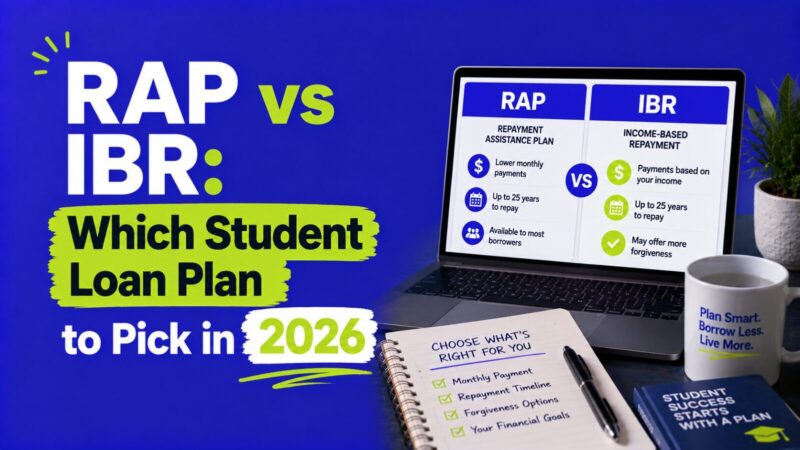
Staying in an affordable plan is how you avoid this in the first place. Enrolling in an income-driven plan like RAP or IBR keeps you out of default, and out of offset, going forward. See our hub on student loan changes in 2026.
What Happens If You Do Nothing?
If you take no action and collections resume, the government will automatically withhold up to 15% of your monthly benefit. You will get a notice at least 30 days before garnishment begins, a narrow window to object or enroll at the last minute. That 30-day notice is your last line of defense, but acting now, before it arrives, gives you far more options and time to finish rehabilitation or consolidation first.
What Is Your Action Checklist?
- Log in to studentaid.gov and confirm your loan status today.
- If in default, call your servicer about rehabilitation enrollment immediately.
- If you get SSDI or SSI, check Total and Permanent Disability discharge eligibility at disabilitydischarge.com.
- If you cannot finish rehabilitation before July, ask whether a rehabilitation agreement pauses the offset.
- Monitor studentaid.gov for RAP enrollment availability in late June 2026.
- If garnishment begins, file a financial hardship objection within 30 days of the notice.
FAQ
Can Social Security be garnished for student loans?
Yes, for defaulted federal loans. The government can withhold up to 15% of your monthly benefit above a protected $750 floor, with no court order. Private student loans cannot trigger this.
When does Social Security garnishment for student loans resume?
Collections are paused as of January 16, 2026, and July 2026 is the practical horizon for resumption, tied to the launch of the new RAP plan. No firm restart date has been announced.
How do I stop Social Security garnishment for student loans?
Exit default through rehabilitation (9 payments) or consolidation (30 to 90 days), apply for a Total and Permanent Disability discharge if you qualify, or file a hardship objection. Acting before the 30-day notice gives you the most options.
How much can be withheld from my Social Security?
Up to 15% of your monthly benefit, but never below a protected $750 floor. On a $1,500 benefit, that is up to $225 a month.
Bottom Line
Social Security offsets for defaulted student loans are paused until about July 2026, so act now: rehabilitate or consolidate to exit default, or apply for a disability discharge if you qualify, before withholding can resume. Waiting for the 30-day notice leaves you with far fewer options. To go deeper, see our guides on getting out of default, wage garnishment, and the forgiveness tax bomb.
This article is for educational and informational purposes only and does not constitute legal or financial advice. Contact your loan servicer or a student loan attorney for guidance specific to your situation, and confirm current dates at studentaid.gov.