By
By 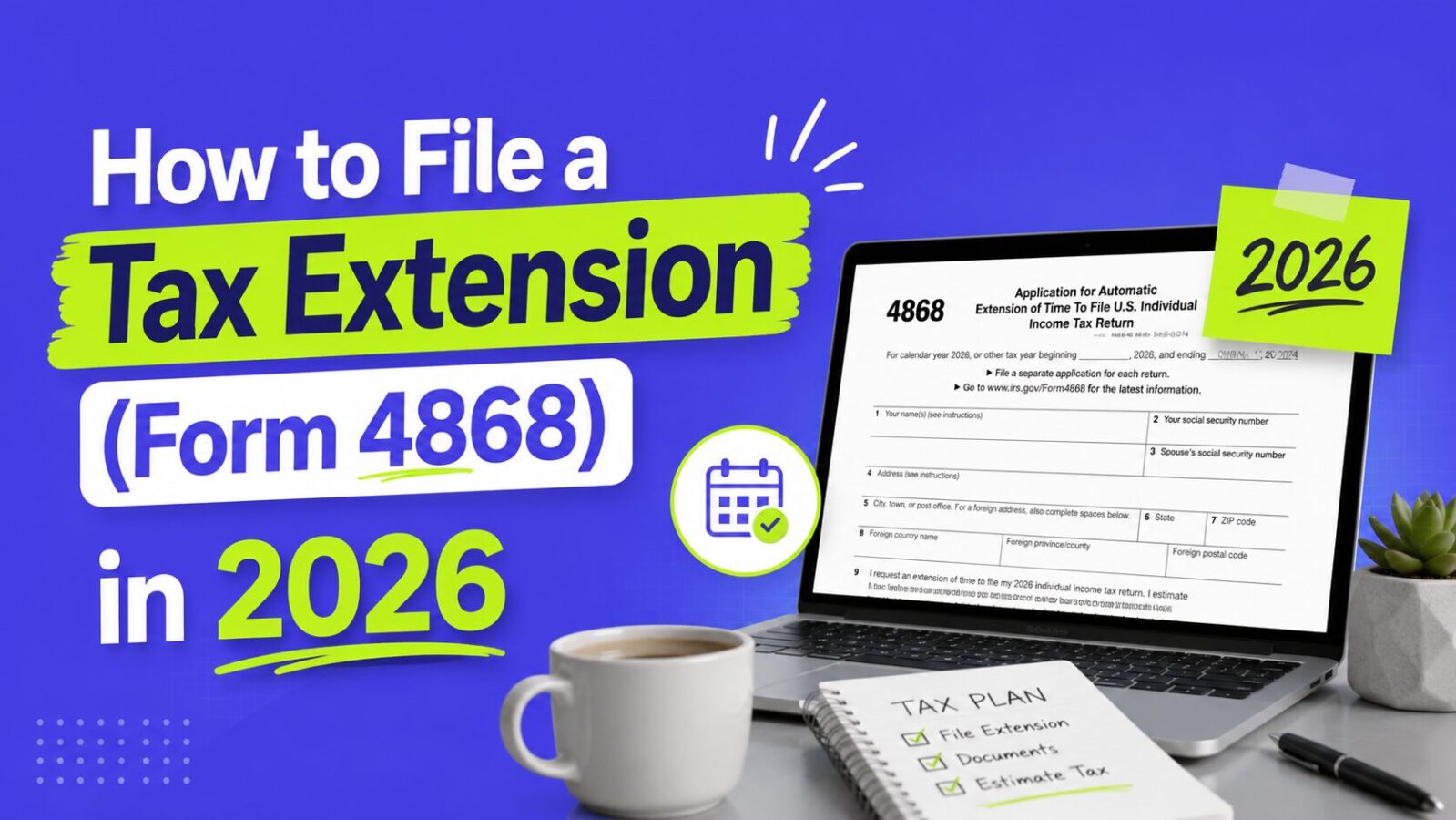
Filing a tax extension gets you until October 15 to file your federal return instead of April 15, and for most people it takes about five minutes through IRS Free File. The catch: an extension only buys extra time to file, not extra time to pay. Whatever you estimate you owe is still due by the original April deadline.
KEY TAKEAWAYS
- An extension moves your filing deadline to October 15, but your payment deadline stays April 15. These are two separate things.
- You can request one for free through IRS Free File, by mailing Form 4868, or automatically by making an estimated payment online and selecting “extension” as the reason.
- The extension is automatic. You don’t need a reason, and the IRS does not approve or deny it, it is simply granted on request.
- If you don’t pay your estimated balance by April 15, you’ll owe the failure-to-pay penalty and interest on the unpaid amount, even with a valid extension on file.
- Filing an extension does not increase your audit risk. It is a routine, common filing.
What Does a Tax Extension Actually Do?
Form 4868 pushes your filing deadline back six months, from April 15 to October 15. That’s it. It does not extend how long you have to pay what you owe, and it does not change any other tax deadline, like IRA or HSA contribution deadlines, which are still generally tied to the original April date.
People request extensions for all kinds of reasons: missing tax documents, a complicated year (freelance income, a new business, a big life change), or simply needing more time to get organized. None of these require an explanation on the form. You check a box, estimate what you owe, and the extension is granted automatically.
How Do You Actually File an Extension?
- IRS Free File. Every filer, regardless of income, can use the free guided software at IRS.gov to submit an extension request electronically at no cost.
- Form 4868 by mail. Fill out the one-page form and mail it to the address listed in the instructions before the deadline. This works even if you don’t e-file.
- Make an estimated payment online. If you pay all or part of what you owe through IRS Direct Pay, your Online Account, or EFTPS and select “extension” as the payment reason, that automatically counts as your extension request. No separate form needed.
- Through tax software. Most major filing platforms, including the ones compared in our tax software guide, offer a built-in extension filing option.
Do You Still Have to Pay by April 15?
Yes, and this is the part people miss. Estimate your total tax liability for the year as accurately as you can, and pay that amount (or as much of it as possible) by the original deadline. If you underpay, you’ll owe the failure-to-pay penalty, generally 0.5% of the unpaid balance per month, plus interest, on whatever is left outstanding, even though your filing itself is not late.
If you genuinely cannot pay the full estimate, paying something is still better than paying nothing. It reduces the balance the penalty and interest apply to. If the amount is large, see our guide on IRS payment plans for how to spread out what you owe.
What If You Don’t File an Extension and Miss the Deadline?
This is the scenario an extension exists to prevent. Filing late without an extension triggers the failure-to-file penalty, 5% of your unpaid tax per month, up to 25% total, which is ten times steeper than the failure-to-pay penalty alone. If you know you can’t finish your return in time, filing the extension first is almost always worth the five minutes it takes.
What About State Extensions?
A federal extension does not automatically extend your state return in every state. Some states automatically honor the federal extension, while others require you to file a separate state extension form. Check your specific state’s department of revenue site, especially if you also owe state tax, since state extension rules follow their own deadlines and forms independent of the IRS.
What Happens After You File the Extension?
You now have until October 15 to file your complete, accurate return. Use the extra time to gather missing forms (K-1s, 1099s, brokerage statements), work with a tax professional if your situation is complex, or simply avoid rushing a return that’s likely to need amending later if it’s filed carelessly under deadline pressure.
FAQ
Does filing a tax extension cost anything?
No. Requesting an extension through IRS Free File, Form 4868, or an online payment is free. Some paid tax software may charge for other services, but the extension request itself has no IRS fee.
Do I need a reason to file an extension?
No. The extension is automatic once requested, no explanation or approval process is required.
What is the deadline to file an extension?
You must request the extension by the original April filing deadline. Requesting it after that date does not retroactively extend your filing deadline.
Does an extension increase my chances of an IRS audit?
No. Filing an extension is a routine, common request and does not by itself increase audit risk.
Bottom Line
A tax extension buys you six extra months to file, but not extra time to pay, so estimate and pay what you owe by the original deadline even if you’re filing the return itself later. It takes minutes to request and comes with no downside if you genuinely need the extra time.
A quick note: this guide covers standard federal extension rules, not state-specific rules or your individual tax situation. Estimating what you owe accurately matters, so if your year was complicated, a CPA can help make sure your extension payment is close enough to avoid a penalty surprise.