 By
By 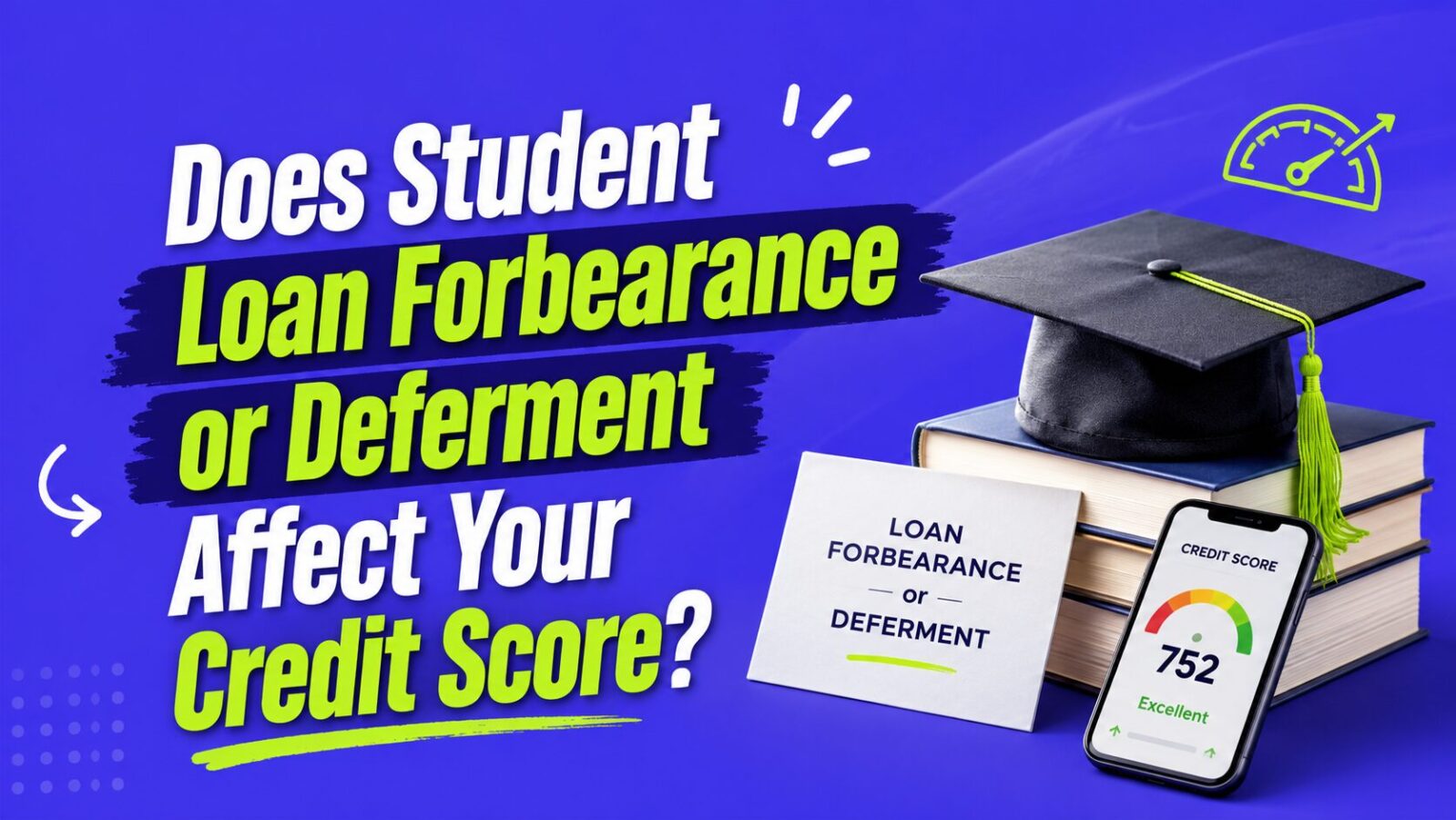
Approved forbearance or deferment on a student loan generally does not hurt your credit score, since the loan is reported as current, not late, while you’re officially enrolled in either status. The risk comes from interest, which typically keeps accruing during forbearance on most federal loans, and from confusion around loan servicer transitions, which have caused real reporting problems for some borrowers in recent years.
KEY TAKEAWAYS
- Officially approved forbearance or deferment is reported as current, not delinquent, so it shouldn’t directly lower your score while you’re enrolled.
- Interest usually still accrues during forbearance on most federal loan types, which grows your balance even though your score isn’t directly penalized.
- Millions of borrowers have been in SAVE plan administrative forbearance due to ongoing litigation, with interest resuming in August 2025 while no payments were required.
- The real credit risk is usually after forbearance ends, missing the first payment once you’re expected to resume, not the forbearance period itself.
- If your loan status shows as late or delinquent while you believe you’re properly enrolled in forbearance or deferment, that’s a reportable error worth disputing quickly.
How Does Forbearance Differ From Deferment?
Both pause your required monthly payments, but they handle interest differently depending on loan type. Deferment on certain subsidized federal loans can mean the government covers interest during the pause, while forbearance almost always means interest keeps accruing and becomes your responsibility, added to your balance over time. Neither, when properly approved, should show up as a missed payment on your credit report, the loan is coded as being in an authorized pause status, not delinquent.
What’s Happening With SAVE Plan Borrowers in 2026?
Millions of borrowers on the SAVE repayment plan have been placed in administrative forbearance due to ongoing legal challenges to the plan, extending into parts of 2026 while borrowers are transitioned to replacement plans like IBR. Interest resumed accruing for these borrowers starting August 2025, even though no monthly payments were required during the forbearance itself. This is a genuinely unusual, large-scale situation, and specific reporting details can vary, so if you’re a SAVE plan borrower, it’s worth checking your loan servicer’s current guidance and your StudentAid.gov account directly rather than relying on outdated information from earlier in this ongoing situation.
Does Interest Accruing During Forbearance Hurt Your Credit?
Not directly. Your credit score doesn’t measure how much interest is accruing, it measures whether you’re making required payments on time. However, a growing balance from accumulated interest can eventually affect your amounts owed once forbearance ends and the loan resumes normal reporting, and a larger balance can make your eventual monthly payment higher, which matters for your budget even if it isn’t a direct credit score factor during the pause itself.
What Happens When Forbearance or Deferment Ends?
This is where the real credit risk shows up. Once your approved pause period ends, you’re expected to resume regular payments, and missing that first payment (through a servicer transition mix-up, a forgotten due date, or simple confusion about when payments restart) is reported exactly like any other missed payment. Given how often loans have changed status, plans, or servicers in recent years, it’s worth marking your calendar and confirming your exact resumption date directly with your servicer rather than assuming you’ll be notified in time.
What If Your Report Shows Late Payments During an Approved Forbearance?
This is a real, reportable error, and it does happen, especially during periods of servicer transitions or large administrative program changes. If your credit report shows a late payment during a period you were properly approved for forbearance or deferment, gather your approval documentation and dispute it directly with the credit bureau. See our how to dispute credit report errors guide for the exact steps, and keep any confirmation emails or paperwork from your servicer as evidence.
How Should You Manage This Proactively?
- Confirm your approval in writing and keep records, so you have documentation if a reporting error occurs later.
- Track your resumption date closely, since missing the first payment after forbearance ends is a common, avoidable mistake.
- Check your credit report periodically while in forbearance, using your free credit report, to catch any errors early rather than after they’ve done damage.
- Understand the interest tradeoff, forbearance solves a short-term cash flow problem but can grow your total balance, so it’s worth using deliberately, not as a default first option if you have other ways to make a reduced payment.
FAQ
Does approved student loan forbearance hurt your credit score?
Generally no, an approved forbearance or deferment is reported as current, not delinquent, so it shouldn’t directly lower your score while you’re enrolled.
Does interest still accrue during forbearance?
Usually yes, for most federal loan types, though deferment on certain subsidized loans can mean the government covers interest instead. This grows your balance but doesn’t directly affect your score.
What happens to my credit if I miss the first payment after forbearance ends?
It’s reported as a standard missed payment, the same as any other late payment, and can meaningfully affect your score, so tracking your exact resumption date matters.
What should I do if forbearance shows up as a late payment on my report?
Dispute it with the credit bureau, using your approval documentation as evidence, since this is a reportable error, not something you have to accept.
Bottom Line
Properly approved student loan forbearance or deferment shouldn’t hurt your credit score directly, but the real risk is missing the first payment once the pause ends, or a reporting error slipping through during the transition. Keep your approval documentation and track your resumption date closely.
A quick note: student loan forbearance rules and large-scale program changes have shifted significantly and can keep changing, so check StudentAid.gov directly for your current status rather than relying solely on this general overview. If you spot a credit reporting error, don’t wait to dispute it.