 By
By 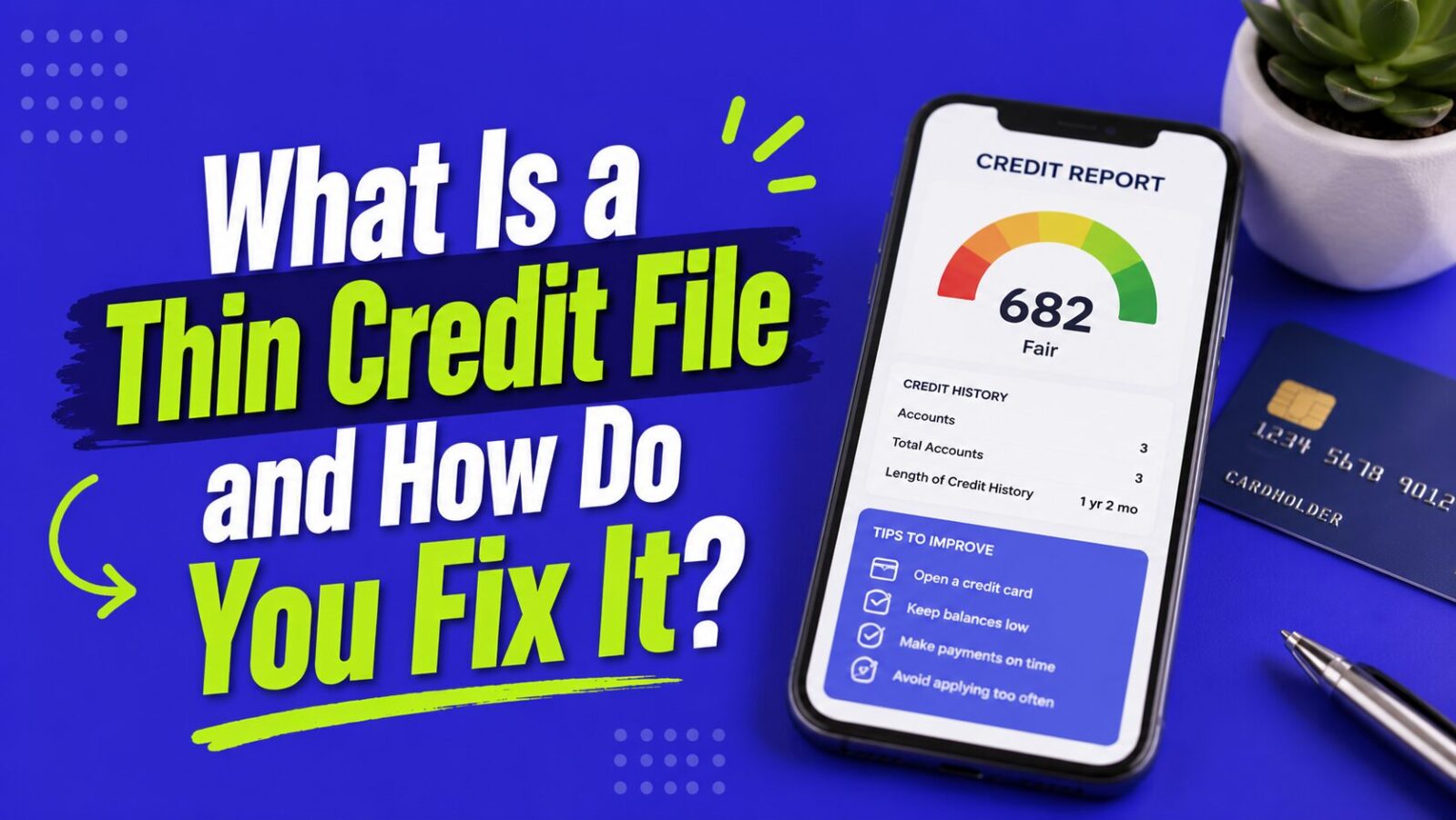
A thin credit file means you have too little credit history for scoring models to generate a reliable score, typically fewer than the handful of accounts and months of activity most models require. It’s different from bad credit, you haven’t necessarily done anything wrong, there just isn’t enough data yet. An estimated 32 million American adults fall into this “credit invisible” or thin-file category.
KEY TAKEAWAYS
- A thin file typically means fewer than 2-4 accounts or less than 6 months of reported history, not enough for most scoring models to calculate a score.
- Roughly 32 million U.S. adults are considered credit invisible or have too little history to be reliably scored, according to CFPB research.
- A thin file is not the same as bad credit, it simply means there’s not enough data, not that your data reflects poorly on you.
- Secured credit cards and credit-builder loans are the most common, accessible ways to start building a thicker file from scratch.
- Becoming an authorized user on a trusted person’s long-standing account can add history to your file faster than starting completely from zero.
What Exactly Counts as a “Thin” File?
There’s no single universal cutoff, but generally, a file is considered thin if you have fewer than two to four open accounts, less than roughly six months of reporting history, or no recently updated accounts at all. FICO specifically requires at least one account open for six months and reported within the last six months to generate a score. If you fall short of that threshold, in either direction, too few accounts or too little recent activity, you may be unscoreable rather than simply low-scoring.
Who Typically Has a Thin File?
- Young adults just starting to build credit, who haven’t had time to open enough accounts.
- Recent immigrants, whose credit history from another country doesn’t transfer to U.S. credit bureaus.
- People who’ve relied on cash or debit for years and simply never opened credit accounts.
- Older adults who closed most accounts or let them age off their report after years of not using credit.
The CFPB’s research identifying roughly 32 million credit-invisible or unscoreable adults found these groups are disproportionately represented, it’s a genuinely common situation, not a rare edge case.
Why Does a Thin File Matter?
Without a score, lenders often can’t approve you through standard automated underwriting, even if you’d otherwise be a reliable borrower. This creates a frustrating catch-22: you need credit history to get approved for credit, but you need approval to build that history. It can also affect apartment applications, some insurance pricing, and even certain employment screenings that reference credit history.
How Do You Build a File From Thin to Established?
- Open a secured credit card. These require a cash deposit as collateral, making approval accessible even with zero history, see our best secured credit cards guide.
- Consider a credit-builder loan, which reports payment history without requiring you to qualify for a large amount of unsecured credit upfront.
- Become an authorized user on a family member’s or partner’s account with a long, positive history. See our authorized user guide for how this works and what to watch for.
- Ask if rent and utility payments can be reported. Some services now let on-time rent and utility payments count toward your credit file, see our rent and utility reporting guide.
- Keep new accounts open and active, thin files often stay thin because early accounts get closed too soon, restart the clock only when necessary.
How Long Does It Take to Go From Thin to Scoreable?
Once you meet the minimum threshold, generally one account open and reported for about six months, you’ll typically generate your first score. Building a genuinely strong file, one with a longer average account age, a track record across multiple account types, and low utilization, takes considerably longer, often a year or more of consistent, on-time activity. Our building credit from scratch guide covers the full step-by-step timeline in more detail.
FAQ
What is considered a thin credit file?
Generally, fewer than two to four open accounts or less than about six months of reporting history, not enough data for most scoring models to generate a reliable score.
How many people have a thin credit file in the U.S.?
An estimated 32 million adults are considered credit invisible or unscoreable due to insufficient history, according to CFPB research.
Is a thin file the same as bad credit?
No. A thin file simply means there isn’t enough data to generate a score, it doesn’t reflect negative history the way a low score from missed payments would.
What’s the fastest way to build credit history from nothing?
A secured credit card or becoming an authorized user on someone else’s long-standing account are typically the fastest, most accessible starting points.
Bottom Line
A thin credit file means too little data to generate a score, not bad credit, and it affects millions of Americans for reasons ranging from age to immigration status. A secured card, credit-builder loan, or authorized user status are the most reliable paths to building a thicker, scoreable file.
A quick note: if a thin file is limiting your ability to get approved for housing, loans, or other essentials right now, some lenders and landlords do offer alternative underwriting that considers rent, income, or bank account history instead of a traditional score, worth asking about directly.