 By
By 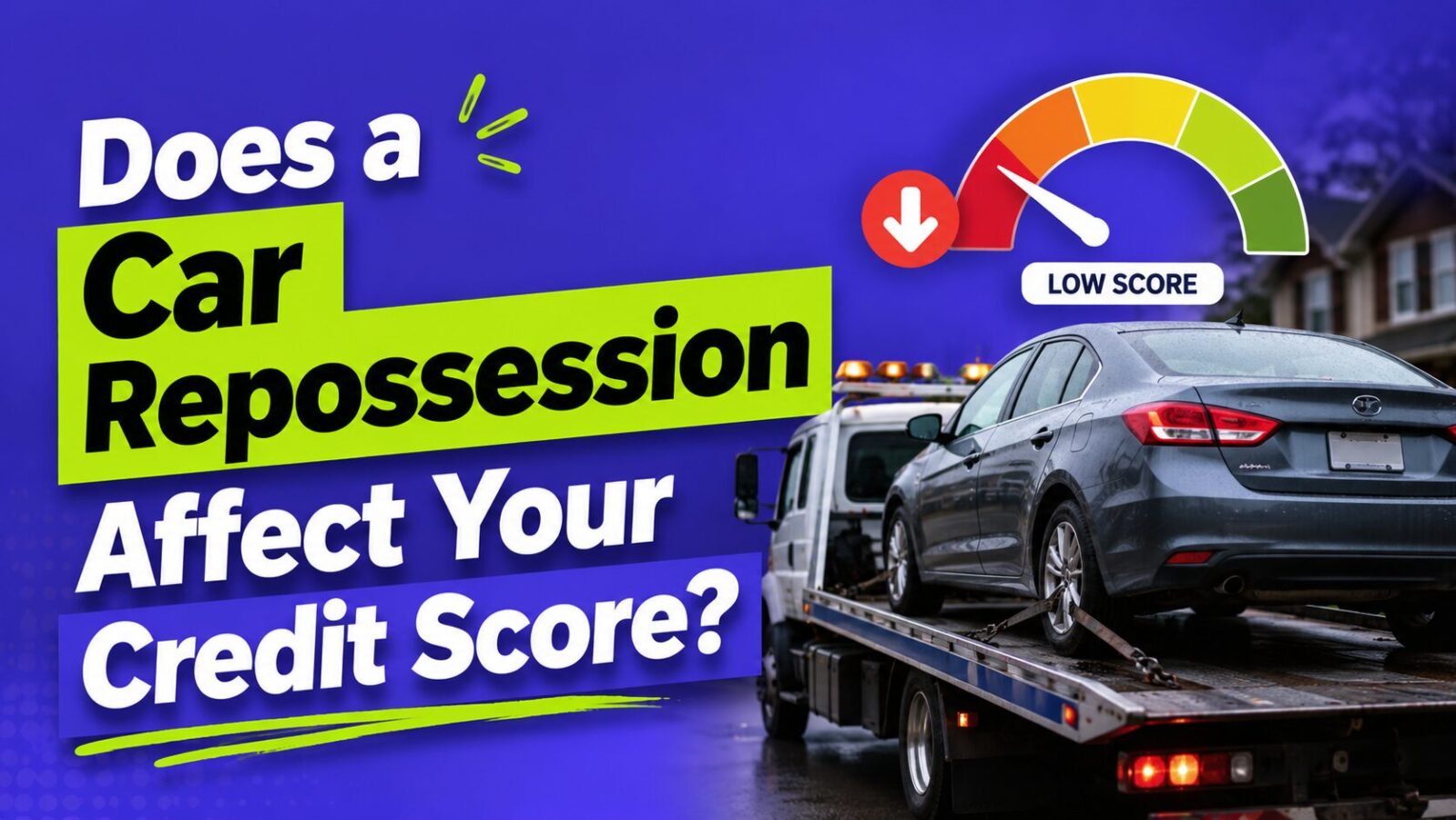
Yes, a car repossession is one of the more damaging events that can hit your credit report, and it can lower your score significantly, often comparable to a foreclosure in severity. It stays on your report for up to seven years from the date of your first missed payment that led to the repossession, and you may still owe money afterward if the sale of the car doesn’t cover your remaining loan balance.
KEY TAKEAWAYS
- Repossession stays on your credit report for up to seven years from your first missed payment, not from the repossession date itself.
- Cars sold at auction after repossession typically bring in only 30-50% of retail value, often leaving a large gap between the sale price and what you still owe.
- You can still be sued for a deficiency balance, the difference between what you owed and what the car sold for, even after losing the vehicle.
- The missed payments leading up to the repossession do separate, compounding damage before the repossession itself is even reported.
- Contacting your lender before you default, not after, gives you far more options like modified payment plans or voluntary surrender terms.
How Much Does Repossession Actually Hurt Your Score?
Significantly. Repossession reflects a serious payment default, and scoring models weight it heavily, similar in severity to a foreclosure or a charged-off account. The exact point drop depends on your starting score (higher starting scores tend to see larger drops) and everything else on your file, but expect a meaningful, lasting hit, not a minor dip you’ll recover from in a couple of months.
How Long Does It Stay on Your Report?
Up to seven years, measured from the date of your first missed payment that led to the default and eventual repossession, not from the day the car was actually repossessed. This matters because if you missed payments for several months before the car was taken, the seven-year clock started earlier than you might assume. This same seven-year rule applies to related negative marks, see our how long negative information stays on your credit report guide for how this compares to other derogatory marks.
What Happens to the Loan Balance After Repossession?
The lender sells the repossessed car, usually at auction, and applies the sale proceeds to your remaining loan balance. Auction sales typically bring in only 30-50% of the car’s retail value, well below what you might get selling it yourself, which often leaves a substantial gap. That remaining amount, called a deficiency balance, is still legally owed, and lenders can pursue collections or even a lawsuit to recover it. Losing the car doesn’t automatically erase what you owe.
Does Voluntary Surrender Help Instead of a Forced Repossession?
It can help slightly, mainly by avoiding repossession-related fees and potentially preserving a better relationship with the lender for negotiating the deficiency balance, but it’s still reported similarly to a repossession on your credit file and still triggers the same missed-payment damage leading up to it. It’s a marginally better outcome in some respects, not a way to avoid the credit hit entirely.
What Should You Do Before You Default?
- Contact your lender as soon as you know you’ll struggle, not after you’ve already missed payments. Lenders often have hardship programs, temporary payment reductions, or loan modifications available, but usually only if you reach out proactively.
- Check whether refinancing your auto loan to a lower monthly payment is realistic given your current credit score and car loan qualification standards.
- Consider selling the car yourself if you’re underwater but can still make payments temporarily, private sale typically nets more than auction and can help you pay off or reduce the loan before things escalate.
- Know your state’s specific repossession and deficiency balance rules, they vary considerably, some states have more borrower protections than others.
How Do You Recover Credit-Wise After a Repossession?
Recovery follows the same principles as recovering from any major derogatory mark: consistent on-time payments on remaining accounts, keeping utilization low, and time. Since repossession stays on your report for years, focus on building strong, current history alongside it rather than expecting it to disappear quickly, our improving your credit score guide covers the specific levers that move the needle fastest during this kind of recovery. If the debt eventually gets sent to collections, understanding the statute of limitations on debt in your state is also worth knowing.
FAQ
How many points does repossession lower your credit score?
It varies by starting score and overall credit profile, but expect a significant, lasting drop, comparable in severity to a foreclosure or charge-off.
How long does a repossession stay on your credit report?
Up to seven years from the date of your first missed payment that led to the repossession, not from the repossession date itself.
Do you still owe money after your car is repossessed?
Often yes. If the auction sale price doesn’t cover your remaining loan balance, you owe the difference as a deficiency balance, which can be pursued through collections or a lawsuit.
Is voluntary surrender better than repossession for your credit?
Slightly, mainly around fees and lender relationship, but it’s still reported similarly and doesn’t prevent the credit damage from missed payments leading up to it.
Bottom Line
Car repossession causes serious, long-lasting credit damage and can leave you owing money even after losing the vehicle, so contacting your lender before you default gives you meaningfully more options than waiting until after. If you’re already behind, reach out today rather than waiting for the situation to escalate further.
A quick note: repossession rules and deficiency balance laws vary by state, so if you’re facing this situation, checking your specific state’s consumer protection rules, or speaking with a consumer protection attorney or nonprofit credit counselor, can help you understand your exact rights and options.