By
By 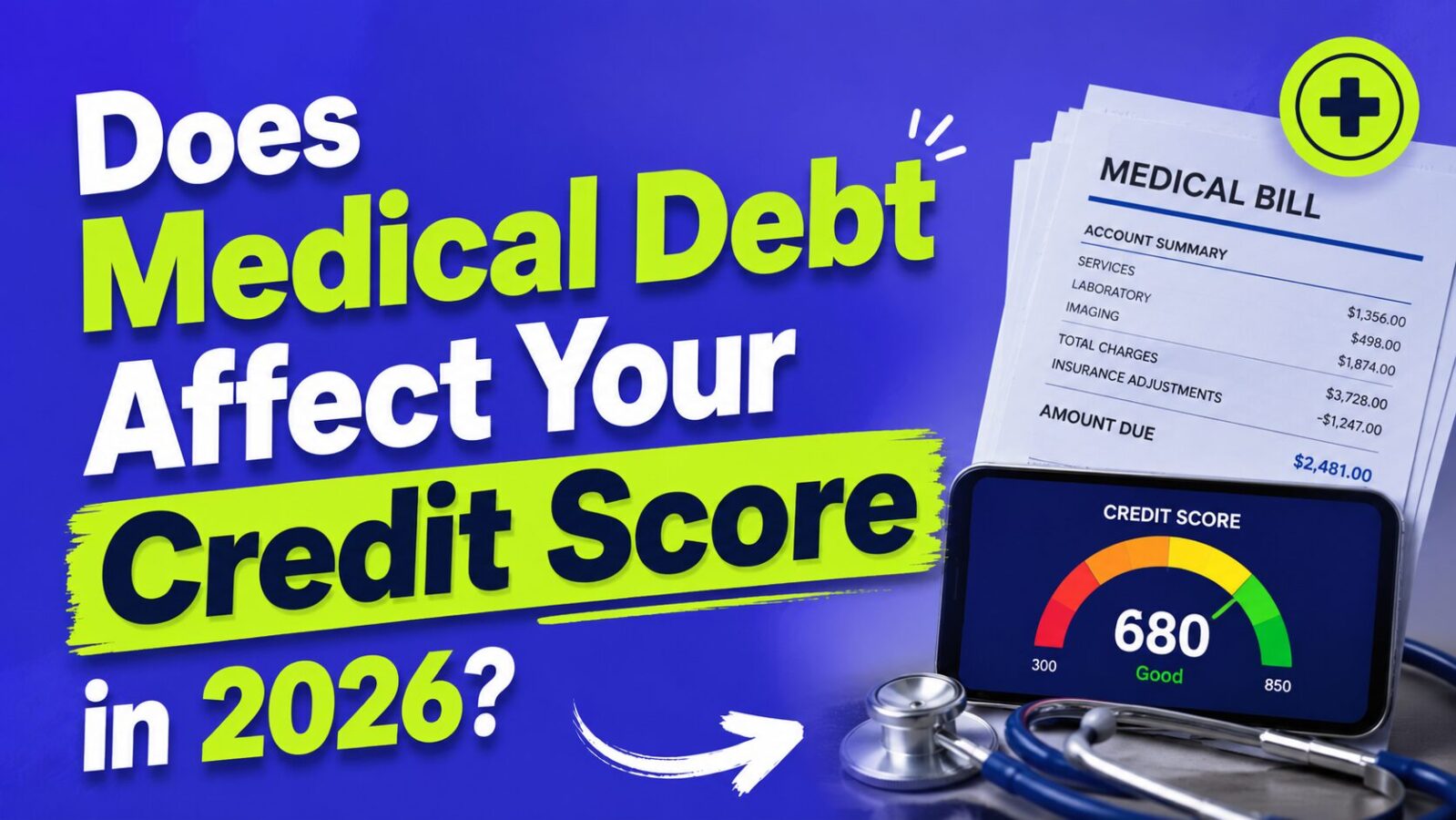
Paid medical debt should not appear on your credit report at all, and unpaid medical debt under one year old is also kept off, thanks to voluntary changes the three credit bureaus made starting in 2022 and 2023. That said, a federal rule that would have made these protections permanent was struck down by a court in July 2025, so the current safety net rests on the bureaus’ own policy, not a binding federal law.
KEY TAKEAWAYS
- Equifax, Experian, and TransUnion voluntarily stopped reporting paid medical collections and medical debt under 1 year delinquent, and these voluntary changes are still in effect in 2026.
- A CFPB rule that would have made this permanent and expanded it further was vacated by a federal court in July 2025, so the protection is a bureau policy choice, not a binding federal law right now.
- About 15 states have passed their own laws adding extra protection against medical debt on credit reports, beyond what the bureaus do voluntarily.
- Medical collections over a year old and still unpaid can still show up on your report and affect your score.
- Newer scoring models (FICO 9, FICO 10, VantageScore 3.0 and 4.0) already weigh medical collections less heavily than other types of debt, even when they do appear.
What Are the Current Rules on Medical Debt and Credit Reports?
Starting in 2022 and 2023, the three major credit bureaus made three changes on their own, without being forced to by law at the time:
- Medical debt is not reported to the bureaus until it is at least one year past due, giving people more time to resolve insurance disputes or billing errors before it touches their credit file.
- Paid medical collections are removed from credit reports entirely, rather than staying visible with a $0 balance.
- Medical debt under $500 was, for a period, excluded by some furnishers, though this threshold has shifted and is not universally applied the same way by every bureau today.
These remain in effect as bureau policy in 2026. What changed is the legal backing behind them.
What Happened to the CFPB’s Medical Debt Rule?
In January 2025, the CFPB finalized a rule that would have gone further than the bureaus’ voluntary policy, banning medical debt information from credit reports and from being used in most lending decisions altogether. Financial industry groups sued, arguing the rule exceeded the CFPB’s authority under the Fair Credit Reporting Act.
In July 2025, a federal court in Texas vacated the rule, agreeing that it conflicted with FCRA’s existing framework for medical debt reporting. That means, as of 2026, there is no binding federal rule requiring medical debt to be excluded or removed from credit reports. The protections consumers currently have (excluding paid debt and debt under a year old) exist because the three bureaus continue to apply them voluntarily, not because a law requires it.
This is an evolving area. State legislatures have been more active since the federal rule was struck down, with roughly 15 states now offering additional protections that go beyond what the bureaus do on their own, so the exact rules can depend on where you live.
Does Medical Debt Hurt Your Score the Same as Other Debt?
Even when a medical collection does show up (typically because it is unpaid and over a year old), it is generally treated more gently than other types of debt by modern scoring models. FICO Score 9 and 10, along with VantageScore 3.0 and 4.0, weigh medical collections less heavily than non-medical collections like credit card charge-offs. Older scoring models still in use by some lenders, including base FICO 8, do not make this distinction, which is one more reason a specific lender’s score can look different from what you see on a free monitoring app.
What Should You Do If You Have Medical Debt?
- Check for billing errors first. Medical bills are notoriously prone to coding mistakes and insurance processing errors. Request an itemized bill and compare it against your insurance explanation of benefits before assuming the balance is correct.
- Negotiate directly with the provider. Many hospitals and providers will settle for less than the billed amount, especially for uninsured or underinsured patients, and some offer interest-free payment plans that never touch your credit report if you pay as agreed.
- Ask about financial assistance programs. Nonprofit hospitals in particular are often required to offer charity care programs that can reduce or eliminate what you owe. See our medical debt relief guide for how these programs work and how to apply.
- Dispute anything inaccurate. If a paid medical collection is still showing on your report, or an unpaid one under a year old is appearing when it shouldn’t be, that is a direct violation of current bureau policy you can dispute. See how to dispute credit report errors.
- Watch for changes. Because the legal landscape shifted in 2025, it is worth checking your state’s specific medical debt protections, since some go further than the federal baseline.
If a medical collection has already dinged your score, the recovery path is the same as any other negative mark: build fresh positive history and keep utilization low. Our guide on why credit scores drop covers the most common causes side by side.
FAQ
Does medical debt show up on your credit report in 2026?
Paid medical debt and unpaid medical debt under one year old generally do not appear, based on voluntary bureau policy. Unpaid medical debt older than a year can still be reported.
Is there a federal law protecting medical debt from credit reports?
Not currently. A CFPB rule that would have created this protection permanently was vacated by a federal court in July 2025. The current protections come from the bureaus’ own voluntary policy, plus state laws in some states.
Can a hospital send my bill to collections?
Yes, providers can send unpaid bills to collections, and once the account is over a year past due, it can be reported to credit bureaus like any other collection.
Does paying off medical debt help my credit score?
Yes, once paid, current bureau policy removes it from your credit report entirely, rather than leaving it visible with a $0 balance, which is more favorable than how most non-medical paid collections are treated.
Bottom Line
Paid medical debt and unpaid medical debt under a year old are generally kept off your credit report in 2026, but this protection now rests on bureau policy rather than a binding federal rule after last year’s court decision. If you are dealing with a medical bill, check for billing errors and ask about financial assistance before assuming the full amount is owed or will hurt your score.
A quick note: rules around medical debt reporting are actively changing at both the federal and state level, so this is a good area to double-check with your state attorney general’s office or the CFPB’s consumer resources if you are dealing with a specific bill right now.