 By
By 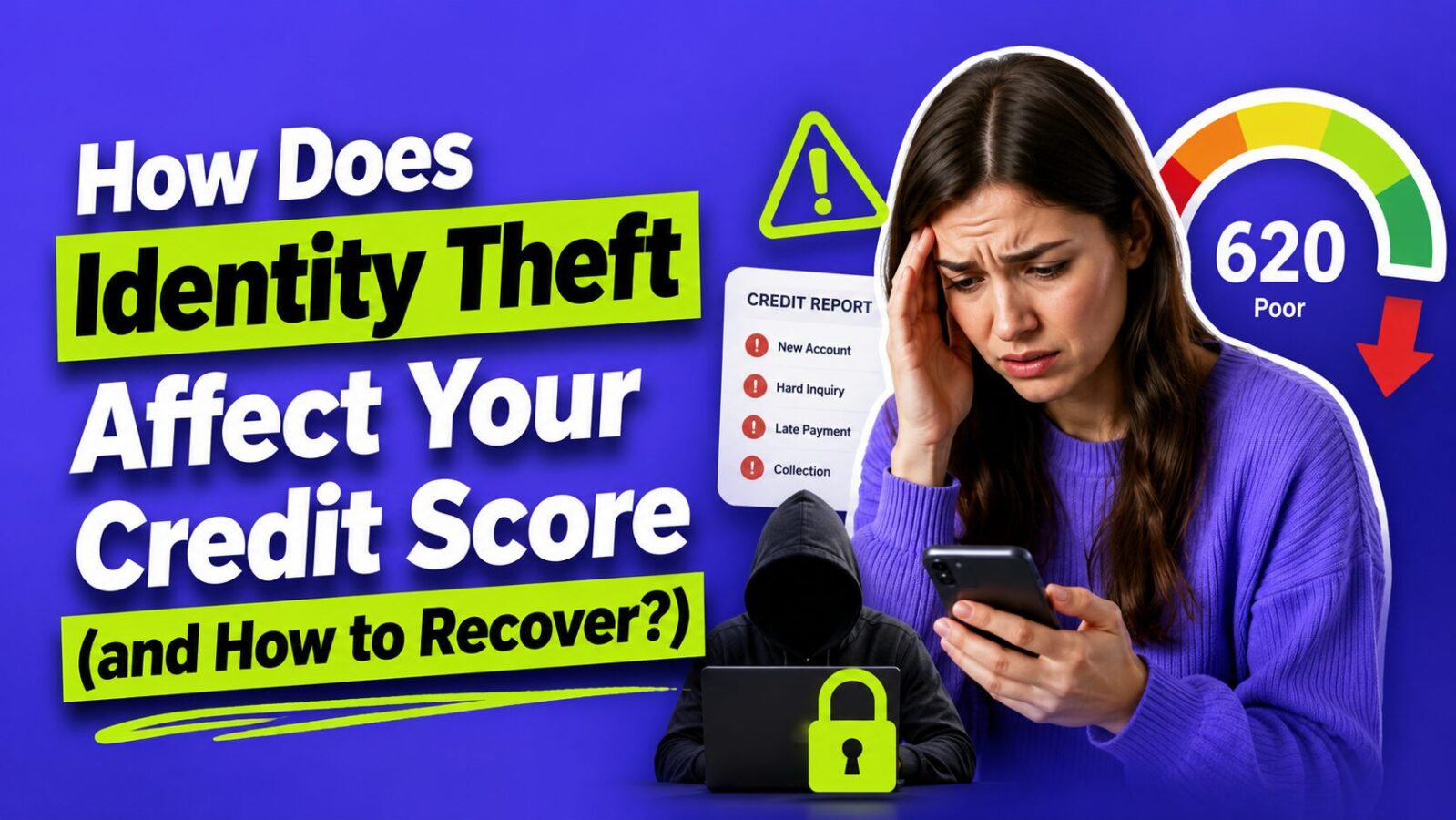
Yes, identity theft can seriously hurt your credit score if a thief opens accounts, racks up charges, or misses payments in your name, since those actions get reported on your credit file just like any legitimate activity. The damage is usually reversible once you dispute the fraudulent items, but the process takes time and moving quickly matters.
KEY TAKEAWAYS
- Fraudulent accounts, charges, and missed payments opened by an identity thief can lower your score just like legitimate negative activity, until they’re identified and removed.
- You have the legal right to have confirmed fraudulent information removed from your credit report, this is not a permanent mark once resolved.
- A credit freeze is generally the strongest prevention step, blocking new accounts from being opened in your name at all.
- IdentityTheft.gov, the FTC’s official recovery site, generates a personalized recovery plan and the paperwork you need for disputes.
- Fraudulent hard inquiries from accounts you never applied for can also be disputed and removed, they’re not something you have to accept.
How Does Identity Theft Actually Damage Your Score?
A thief with your personal information can open new credit cards or loans, max out existing accounts, or simply stop paying on accounts they’ve opened, all of which report to the credit bureaus exactly as if you had done it. This can tank your utilization ratio, add missed payment marks, and even trigger collections, all without you knowing until you check your report or get denied for something you applied for legitimately.
What Should You Do the Moment You Suspect Identity Theft?
- Place a fraud alert or credit freeze immediately. A freeze is the stronger option, blocking new accounts from being opened entirely until you lift it. See our credit freeze vs fraud alert guide for the difference and how to set either up.
- File a report at IdentityTheft.gov. The FTC’s official site generates a personalized recovery plan and an official Identity Theft Report, which you’ll need as documentation for disputes.
- Pull all three credit reports to identify every fraudulent account or inquiry, not just the one you initially noticed. See how to get your free credit report.
- Contact each affected creditor directly to report the fraud and request the account be closed or corrected.
How Do You Get Fraudulent Items Removed From Your Report?
This follows a similar dispute process to any other credit report error, covered fully in our how to dispute credit report errors guide, but with your Identity Theft Report from IdentityTheft.gov as key supporting evidence. Under federal law, once you provide this documentation, credit bureaus and creditors are required to block the fraudulent information from your report, they can’t simply refuse or leave it in place indefinitely.
This includes fraudulent hard inquiries from accounts you never applied for, our hard inquiry removal guide covers this specific scenario, since an inquiry tied to identity theft is exactly the kind of unauthorized inquiry that can and should be disputed.
How Long Does Recovery Take?
It varies significantly based on how many accounts are affected and how responsive each creditor and bureau is, but expect the process to take weeks to a few months for full resolution, not days. Your score typically starts recovering as fraudulent items are successfully removed one by one, rather than all at once. Staying organized, keeping copies of every dispute letter and response, matters a lot here since you may be dealing with multiple creditors and bureaus simultaneously.
Should You Keep a Freeze on Permanently?
Many security-conscious people do. A credit freeze costs nothing, doesn’t affect your score, and can be temporarily lifted whenever you need to apply for new credit yourself. If you’ve experienced identity theft once, keeping a standing freeze in place going forward is a reasonable, low-cost habit, rather than something you only use reactively after a second incident.
What About Ongoing Monitoring?
Free credit monitoring services can help you catch new fraudulent activity faster the second time around, since early detection is one of the biggest factors in limiting damage. See our free credit monitoring guide for options that flag new accounts and inquiries without a subscription fee.
FAQ
Can identity theft permanently ruin my credit score?
No. Fraudulent items can be disputed and legally must be removed once you provide an Identity Theft Report, your score can recover as those items come off your file.
How do I prove identity theft to a credit bureau?
File a report at IdentityTheft.gov, which generates an official Identity Theft Report and personalized recovery plan you can submit alongside your dispute.
Should I freeze my credit after identity theft?
Yes, a credit freeze is one of the strongest protections, blocking new accounts from being opened in your name until you choose to lift it.
Can a fraudulent hard inquiry be removed from my credit report?
Yes, an inquiry from an account you never applied for can be disputed and removed, the same as any other unauthorized inquiry.
Bottom Line
Identity theft can genuinely hurt your credit score, but the damage is reversible once you document the fraud through IdentityTheft.gov and dispute each affected account. Act quickly, freeze your credit, and stay organized through the recovery process, since it usually takes weeks rather than days to fully resolve.
A quick note: identity theft recovery can feel overwhelming, especially with multiple affected accounts. IdentityTheft.gov’s step-by-step recovery plan is designed to walk you through this systematically, and you’re not expected to figure out every step alone.