By
By 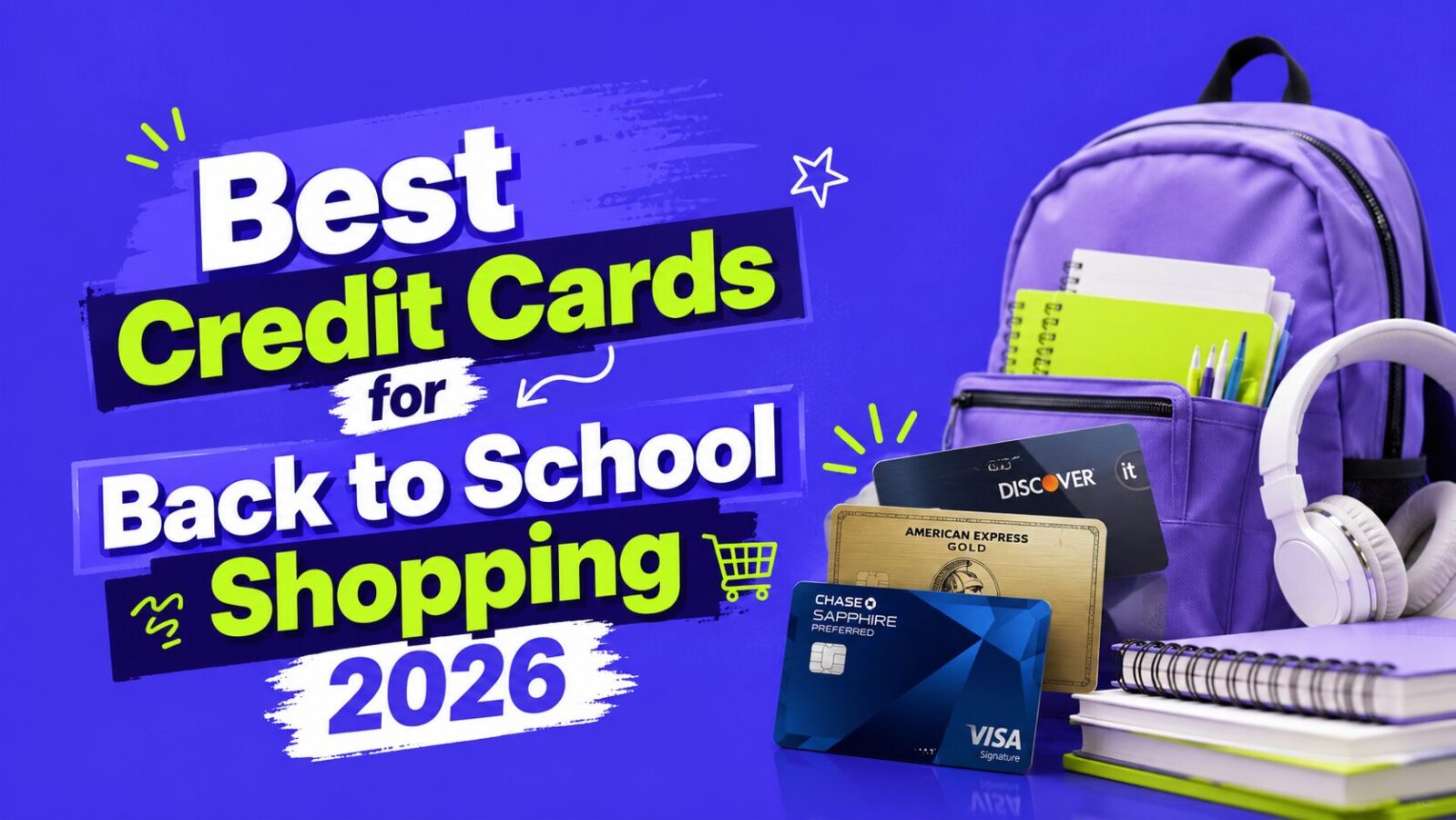
Finance Pulse may earn a commission if you apply through links on this page. This does not affect our recommendations.
The best card for back-to-school shopping is whichever one pays the most on what you are actually buying: the Amazon Prime Visa (5% on Amazon) for online electronics, the Apple Card (3% at Apple) for Apple devices, US Bank Cash+ (5% on electronics or department stores) for big category spend, or the Wells Fargo Active Cash (2% flat) if you would rather not think about it. Back-to-school spending averages around $858 per K-12 family and $1,326 per college student in 2026 (NRF), concentrated in a short window, so the right card turns money you are already spending into free cash back.
Key Takeaways
- Match the card to the purchase: 5% on Amazon, 3% at Apple, 5% on chosen categories with US Bank Cash+.
- Don’t want to think about it? A 2% flat card like Wells Fargo Active Cash is simple and solid.
- College students can use the season to open a first card and start building credit.
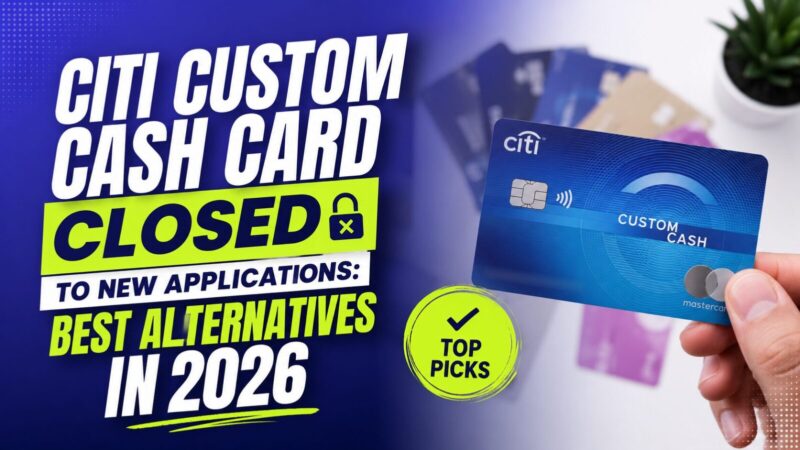
- Citi Custom Cash is closed to new applicants as of May 2026, so it is no longer an option.
What Are the Best Cards for Electronics?
Amazon Prime Visa earns 5% cash back on Amazon.com purchases, so an $800 laptop returns $40. It has no annual fee for Prime members and is the highest-earning card for any Amazon purchase. Best for families who buy most electronics and supplies on Amazon; less useful if you shop in store.
Buying a MacBook or iPad for school? The Apple Card offers 0% APR financing through Apple Card Monthly Installments on Apple products, a real advantage over paying interest on a general-purpose card.
Apple Card earns 3% cash back at Apple.com and Apple Stores, useful for iPads, MacBooks, or AirPods, and the Apple education discount stacks with the 3% back. See our guide on whether the Apple Card is worth it.
US Bank Cash+ lets you pick 5% cash back on two categories each quarter (the list includes Electronics Stores and Department Stores) on up to $2,000 in combined spending per quarter, with no annual fee. If electronics or back-to-school clothing is a big August category, this is one of the strongest options and a solid replacement for the now-closed Citi Custom Cash.
What Are the Best Cards for Clothing and Apparel?
Chase Freedom Flex earns 5% on rotating quarterly categories on up to $1,500 in spending once activated, with no annual fee. Department stores and clothing retailers have historically appeared in back-to-school quarter promotions, so check Chase’s current Q3 categories in the app and activate them.
US Bank Cash+ works here too: choosing Department Stores as one of your 5% categories covers a lot of back-to-school clothing at no annual fee.
What Are the Best All-Around Back to School Cards?
Wells Fargo Active Cash earns a flat 2% on everything with no cap, no categories, and no annual fee. On $858 of back-to-school spending, that is about $17 back, simple and reliable.
If you’d rather not track rotating categories, the Citi Double Cash earns a flat 2% back on everything, no annual fee, no categories to remember.
Blue Cash Preferred (Amex) earns 6% at U.S. supermarkets on up to $6,000 a year, which helps if your family buys school supplies at supermarkets (some Walmart Neighborhood Markets and Target locations code as supermarkets). The $95 annual fee makes sense only if you spend enough at supermarkets to clear it, roughly $2,375 a year or more versus a flat 2% card.
What Are the Best Cards for College Students?
If you are a college student with no credit history, back-to-school season is a good time to open your first card, use it for supplies, pay it off immediately, and start building credit. Strong starter options:
- Discover it Student Cash Back: 5% on rotating categories (activation required, up to a quarterly cap), 1% elsewhere, a cashback match at the end of year one, no annual fee, and built for no credit history.
- Chase Freedom Rise: 1.5% on everything, reports to all three bureaus, no annual fee, with an upgrade path to better Chase cards later.
See our guide on building credit from scratch.
How Much Does the Right Card Actually Save?
On about $858 of back-to-school spending:
- 1% card: about $8.58 back.
- 2% flat-rate card: about $17 back.
- 5% on electronics plus 3% on clothing: roughly $35 to $45 back.
Optimizing your card for a predictable annual spend takes about 10 minutes and costs nothing, and the difference compounds to several hundred dollars over years of back-to-school shopping.
FAQ
What is the best credit card for back to school shopping?
It depends on what you buy. The Amazon Prime Visa (5% on Amazon) wins for online electronics, the Apple Card (3%) for Apple gear, and US Bank Cash+ (5% on chosen categories) for big electronics or clothing spend. A 2% flat card is the easy all-around pick.
Is the Citi Custom Cash still available?
No. Citi closed the Custom Cash to new applications in May 2026. Existing cardholders keep their card, but new shoppers should look at US Bank Cash+ or a flat 2% card instead.
Should a college student get a credit card for back to school?
It can be a smart way to start building credit, as long as you pay the balance in full each month. The Discover it Student Cash Back and Chase Freedom Rise are designed for students with no credit history.
Is the Blue Cash Preferred annual fee worth it?
Only if you spend enough at U.S. supermarkets to clear the $95 fee, roughly $2,375 a year or more compared with a no-fee 2% card. Below that, a flat 2% card usually nets more.
Bottom Line
The best back-to-school card is the one that pays the most on what you are actually buying: 5% on Amazon, 3% at Apple, 5% on chosen categories with US Bank Cash+, or a simple 2% flat card. Since you are spending the money anyway, picking the right card is free cash back, and students can use the season to start building credit. To go deeper, see our guides on whether the Apple Card is worth it, building credit from scratch, and what a credit score is.
Card terms are subject to change; verify current rewards rates and annual fees with each issuer before applying. This article is for educational and informational purposes only and is not financial advice.