By
By 
If your child’s $1,000 Trump Account deposit has not shown up yet, the most likely explanation is the phased rollout, not a problem with your account. The Treasury began depositing the $1,000 pilot contribution on July 4, 2026, and deposits are processed in waves after each account’s activation is confirmed. A wait of days to a few weeks is normal. Here is how to tell whether you are just in the queue, whether an enrollment step is missing, or whether your child does not qualify for the seed at all.
KEY TAKEAWAYS
- The $1,000 deposits started July 4, 2026 but roll out in phases. Treasury deposits the money only after confirming an account is fully activated, so timing varies by family.
- The seed only goes to U.S. citizen children born January 1, 2025 through December 31, 2028 with a valid Social Security number. Kids born before 2025 can have an account but never receive the $1,000.
- The most common self-inflicted delay: filing IRS Form 4547 but never completing activation from the email sent by no-reply@TrumpAccounts.Treasury.gov. Check spam.
- Support exists only through callback requests inside the official app or site. Treasury never calls or texts first, and nobody legitimate charges a fee to “release” your deposit.
- Enrolling late does not forfeit the $1,000. Children enrolled after July 4, 2026 receive the seed after their enrollment is processed.
Why Hasn’t the $1,000 Deposit Arrived Yet?
Because July 4, 2026 was the start date, not a payout-everyone date. According to the U.S. Treasury, eligible children “begin receiving” the $1,000 pilot contribution starting July 4. The deposit is made only after Treasury confirms the account is active, and with millions of enrolled families, that confirmation and payment process runs in waves.
Where you sit in the queue depends mostly on when you enrolled and activated. Families who filed IRS Form 4547 early and completed activation during the May and June email waves are at the front. If you activated in the final days before launch, or enrolled after July 4, your deposit lands after your paperwork is processed. There is no published day-by-day schedule, so refreshing the app hourly will not speed anything up.
Is Your Child Actually Eligible for the $1,000?
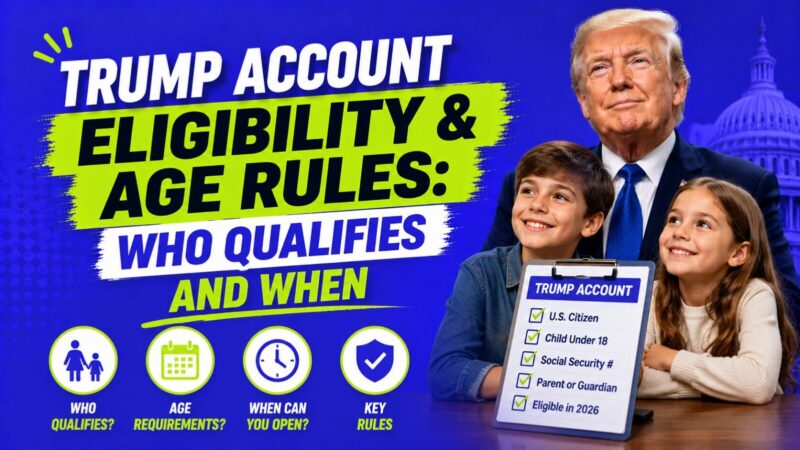
Before troubleshooting, rule out the painful-but-common answer: your child may not qualify for the seed. The $1,000 goes only to children who meet all of these conditions, per Treasury and IRS guidance as of July 2026:
- Born between January 1, 2025 and December 31, 2028
- A U.S. citizen (green card holders do not qualify for the seed)
- Has a valid Social Security number, with at least one parent who also has a valid SSN
- Enrolled by a parent, guardian, or other authorized person via Form 4547
A child born in 2024 or earlier can absolutely have a Trump Account, and family can fund it up to the annual cap, but no government seed will ever arrive for them. If that is your situation, the deposit is not late, it is not coming. Our guide to Trump Accounts for children born before 2025 covers what you can still get out of the program.
Did You Finish Every Enrollment Step?
The number one fixable cause of a missing deposit is an account that was elected but never activated. Filing Form 4547 is step one, not the finish line. Treasury then sends an activation email, only from no-reply@TrumpAccounts.Treasury.gov, and you must complete setup through the official Trump Accounts app or TrumpAccounts.gov before the account can hold money.
Run this two-minute check:
- Try to log in. Open the Trump Accounts app (Apple App Store or Google Play) or the web app at trumpaccount.com. If you can see your child’s account dashboard, activation is done and you are simply waiting on the deposit queue. Our login and balance guide covers this step in more detail if anything looks off.
- Search your email. Look for anything from no-reply@TrumpAccounts.Treasury.gov, including in spam and promotions folders. Found it but never acted? Follow its instructions now.
- Confirm your Form 4547 went through. If you filed with your tax return, processing follows IRS timelines. If you filed online, check TrumpAccounts.gov for status. Our Form 4547 walkthrough covers common filing mistakes, like SSN mismatches, that stall processing.
If the app shows your account as active and eligible, there is nothing else you need to do. The seed deposits automatically. You do not need to claim it, request it, or pay anyone to process it.
How Long Should You Wait Before Contacting Support?
Give it a few weeks after your activation is complete before escalating. The program is moving millions of accounts through a brand-new system in its first weeks, and Treasury has not committed to a specific deposit timeline beyond “beginning July 4, 2026.”
When you do reach out, there is exactly one legitimate channel: a secure callback request made inside the official app or on the official site. Treasury does not staff a public phone line for Trump Accounts, and phone numbers surfaced by a search engine or social media post are how people get scammed. Have your Form 4547 confirmation and your child’s information ready for the callback. Setup details are in our Trump Accounts app guide.
When “Help” With Your Deposit Is Actually a Scam
A missing $1,000 makes families an easy target, and launch month is peak season. These are the patterns to treat as automatic scams, based on Treasury’s own fraud warnings:
- Anyone who calls or texts about the deposit. Treasury does not contact families by phone or text about Trump Accounts. Period.
- Any fee to “release,” “expedite,” or “verify” the $1,000. The seed is free and automatic. Nobody legitimate charges for it.
- Emails from lookalike addresses such as trumpaccounts-support.com or treasury-payments.net. The only real initial sender is no-reply@TrumpAccounts.Treasury.gov. When unsure, ignore the message and log in directly.
- Requests for your login, banking details, or your child’s SSN from anyone who contacted you first.
We keep a running list of active schemes in our Trump Account scams guide, and a quick test you can send to relatives in is that Trump Account email legit?
Frequently Asked Questions
When will the $1,000 Trump Account deposit arrive?
Deposits began July 4, 2026 and are processed in phases after Treasury confirms each account is active. Families who activated early are paid first. Treasury has not published an exact per-family schedule, so expect days to a few weeks.
Do I need to do anything to claim the $1,000?
No. Once your child is enrolled via IRS Form 4547 and the account is activated, the seed deposits automatically. Anyone asking you to claim, verify, or pay to receive it is running a scam.
My child was born in 2024. Where is their $1,000?
It is not coming. The government seed is limited to children born January 1, 2025 through December 31, 2028. Children born earlier can still have a Trump Account funded by family and employers, up to $5,000 per year.
Does enrolling after July 4, 2026 mean losing the $1,000?
No. There is no penalty for enrolling late. Eligible children enrolled after launch receive the seed once their enrollment is processed, and you can open an account any time before your child turns 18.
Who do I contact if the deposit never shows up?
Use the callback request inside the official Trump Accounts app or at TrumpAccounts.gov. Do not call numbers found through search results or social media, because Treasury only offers support through its secure in-app channel.
Bottom Line
A missing $1,000 deposit in July 2026 almost always means one of three things: you are in the phased queue (wait it out), your activation was never completed (check your email from no-reply@TrumpAccounts.Treasury.gov and finish setup), or your child was born outside the 2025-2028 window (the seed does not apply). The deposit is automatic and free, so never pay anyone or respond to calls and texts about it. For everything else about launch week, start with our Trump Accounts first steps guide.
Last updated: July 4, 2026. Details sourced from the U.S. Department of the Treasury and IRS guidance as of July 2026. Trump Accounts are a new program and processing timelines may change, so check TrumpAccounts.gov for the latest. This article is for educational purposes only and is not financial or tax advice. When in doubt about your family’s situation, a qualified tax professional is your friend.