Who Is the Apple Card For?
Best for: iPhone users who pay with Apple Pay at most merchants and want instant daily cash back, zero fees of any kind, and seamless Wallet app integration
Skip if: You do not have an iPhone, cannot use Apple Pay consistently (physical card earns only 1%), want a traditional welcome bonus, or need a balance transfer offer
The Apple Card is a genuinely good no-fee card for a specific person: an iPhone user who taps to pay with Apple Pay at the majority of their spending locations. At Apple Pay merchants, the card earns 2% Daily Cash. At Apple itself and select partners (Uber, Walgreens, Nike, Panera, and others), it earns 3%. The physical titanium card earns only 1%. The Apple Card’s entire value proposition rests on Apple Pay acceptance. If you can realistically run 80%+ of your spending through Apple Pay, the card is competitive with the Citi Double Cash’s flat 2% while adding zero-fee benefits and daily cash delivery. If you regularly swipe the physical card, it is one of the weakest-earning no-fee cards available.
Key Takeaways
- Apple Pay = 2%, physical card = 1%. This is the most important fact about the Apple Card. The 2% rate at Apple Pay merchants matches the Citi Double Cash’s flat rate. The 1% physical rate is half of it. How much you earn depends entirely on how often you can tap to pay versus swipe.
- Zero fees, truly. No annual fee, no late fees, no foreign transaction fees, no returned payment fees. Apple and Goldman Sachs built the card explicitly without any fees. The no-late-fee policy removes the penalty for occasional payment timing issues, though you still accrue interest if you carry a balance.
- Daily Cash is delivered daily. Unlike most cards that post rewards once per month, Daily Cash hits your Apple Cash balance or Apple Savings account within 24 hours of each transaction settling. Your rewards start compounding immediately.
- Apple Savings is a high-yield account linked to Daily Cash. Cash back automatically deposits into an Apple Savings account earning a competitive APY (verify current rate at apple.com/apple-card). Rates change with Fed policy; confirm before opening.
- No welcome bonus. The Apple Card offers no sign-up bonus, unlike virtually every competitor card. The Citi Double Cash offers $200 after $1,500 spend. Chase Freedom Unlimited offers $200 after $500. If a welcome bonus matters, the Apple Card does not compete here.
Earning Structure: The Apple Pay Dependency
Apple Card earns 3% at Apple and select partners, 2% via Apple Pay, and 1% on physical card swipes. The entire value of this card depends on how much of your spending runs through Apple Pay. Before applying, audit your spending for one month and estimate what fraction is Apple Pay-eligible.
In major U.S. cities, Apple Pay acceptance is excellent. Most grocery stores (Whole Foods, Trader Joe’s, Kroger, Safeway), pharmacies (CVS, Walgreens, Rite Aid), major restaurant chains, and big-box retailers (Target, Best Buy) accept Apple Pay. In smaller markets, rural areas, or at specific merchants like certain gas station pumps, some government offices, and many small businesses, Apple Pay acceptance is inconsistent. Practically, many iPhone users in urban areas can run 70 to 85% of their spending through Apple Pay; for them, the effective earn rate is close to 2%. For people in areas with limited contactless acceptance, the effective rate drops toward 1.5% or below.
Key Numbers at a Glance
What the Apple Card Does Really Well
Genuinely Zero Fees
The Apple Card has no annual fee, no late payment fees, no returned payment fees, no over-limit fees, and no foreign transaction fees. This is notable because most no-annual-fee cards still charge late fees ($25 to $40 per incident) and foreign transaction fees (2 to 3%). The no-late-fee policy is a genuine consumer benefit: if you miss a payment due date, you do not pay a penalty. You still accrue interest on the balance, but the punitive fee is absent. For people who occasionally forget to pay on time, this removes a meaningful cost risk that exists with virtually every other card.
Daily Cash: Rewards Delivered Every Day
Most credit cards post rewards once per statement period. The Apple Card credits Daily Cash to your Apple Cash balance within 24 hours of each transaction settling. The practical benefit: if you spend $500 today via Apple Pay, $10 in Daily Cash is in your Apple Cash account by tomorrow, where it can immediately earn interest in Apple Savings or be used for purchases. Over a year of compounding, daily rewards delivery is marginally more valuable than monthly delivery, but the psychological benefit of watching your cash back accumulate in real time is also real for many users.
Privacy and Spending Transparency in the Wallet App
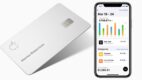
The Apple Card integrates directly into the iPhone Wallet app, which automatically categorizes every transaction by merchant, provides color-coded spending maps, and shows weekly and monthly summaries. The physical titanium card has no card number printed on it; the card number exists only in the Wallet app. This is a genuine privacy advantage for physical card security. Apple also does not share transaction data with third parties for advertising purposes, which is a notable difference from most banks. For privacy-conscious iPhone users, the data handling alone is a meaningful differentiator.
3% at Key Partners
The 3% partner list includes merchants many iPhone users spend at regularly: Uber and Uber Eats, Walgreens and Duane Reade, Nike, Panera Bread, T-Mobile, and Ace Hardware. For someone who regularly uses Uber and fills prescriptions at Walgreens, these 3% categories add meaningful earning on top of the 2% Apple Pay baseline. Apple periodically adds new partners; check the current list in the Wallet app or at apple.com/apple-card.
Where the Apple Card Falls Short
1% on Physical Card Swipes Is Uncompetitive
This is the single biggest weakness of the Apple Card. Any transaction not made via Apple Pay, including online purchases that do not support Apple Pay checkout, phone orders, or merchants that do not accept contactless payments, earns only 1%. The Citi Double Cash earns 2% on every physical swipe with no conditions. The Capital One Venture X earns 2x on everything. If you use the Apple Card’s titanium card even 30% of the time, your blended earn rate drops to 1.7%, worse than the flat-rate 2% you get from a Double Cash. Using the Apple Card as your only card while frequently swiping the physical card is a significant rewards cost that many cardholders underestimate.
No Welcome Bonus
Apple Card offers no sign-up bonus. Every major competing no-fee card offers one: Citi Double Cash ($200 after $1,500), Chase Freedom Unlimited ($200 after $500), Capital One Quicksilver ($200 after $500). A welcome bonus of $200 represents effectively 4 to 6 months of cash back from normal spending. Choosing the Apple Card over a competitor means forgoing that upfront value with no compensating feature that makes up the difference for most people.
Goldman Sachs Partnership Uncertainty
The Apple Card is issued by Goldman Sachs, which announced its intention to exit the Apple Card partnership. Apple has been in discussions with other banking partners to take over the card program. As of mid-2026, the transition has not fully concluded. Existing cardholders are not at immediate risk; card terms and benefits remain in place during any transition period, and a new issuer would take over the existing accounts. That said, it introduces some uncertainty around future benefit changes that prospective applicants should be aware of. Monitor apple.com/apple-card for official announcements.
Apple Card vs Citi Double Cash vs Chase Freedom Unlimited
For a heavy Apple Pay user, the Apple Card is competitive with the Citi Double Cash on earn rate, adds no foreign transaction fees (the Double Cash charges 3%), and eliminates late fees. For anyone who uses their physical card regularly, the Double Cash is strictly better on rewards. Chase Freedom Unlimited wins on dining (3%) and offers a welcome bonus that the Apple Card does not. The Apple Card’s advantages are in fee elimination and ecosystem integration, not in raw rewards maximization.
Frequently Asked Questions
Do you need an iPhone to get the Apple Card?
Yes. The Apple Card application process takes place entirely in the iPhone Wallet app, and you need an Apple ID and iPhone with iOS 12.4 or later to apply. The card cannot be managed through a web browser or Android device. The titanium physical card works anywhere Mastercard is accepted, but you cannot apply for, manage, or view your account without an iPhone. If you do not own an iPhone, the Apple Card is not accessible to you.
What is the Apple Savings account?
Apple Savings is a high-yield savings account offered in partnership with Goldman Sachs (or its successor partner) where your Daily Cash automatically deposits. You can also make additional deposits from your bank account. The account has no minimum balance, no fees, and earns a competitive APY that changes with Federal Reserve policy. It is one of the easiest ways to earn interest on cash back without any setup: your rewards compound automatically without you having to transfer them manually. Verify the current APY at apple.com/apple-card before opening.
Why does the physical Apple Card earn only 1%?
The 2% rate on Apple Pay transactions reflects higher interchange fees that Apple Pay transactions generate compared to magnetic stripe swipes. Apple Pay uses a tokenized transaction system that reduces fraud rates, which typically commands higher interchange from merchants. Apple passes part of that higher interchange back to cardholders as the extra 1%. Physical card swipes generate lower interchange, so the reward rate is lower. This is the same structural reason contactless payment cards at other issuers sometimes pay higher rates for tap-to-pay versus swipe.
Is the Apple Card good for international travel?
Better than most no-fee cards in one specific way: there is no foreign transaction fee. The Citi Double Cash and Chase Freedom Unlimited both charge 3% on international purchases. The Apple Card charges nothing. However, Mastercard acceptance and Apple Pay acceptance outside the U.S. vary significantly by country. In the UK and much of Western Europe, contactless is nearly universal and the 2% Apple Pay rate applies widely. In many parts of Asia, Latin America, and Eastern Europe, acceptance is more limited and physical card swipes (at 1%) are more common. For heavy international travelers, a dedicated travel card like the Capital One Venture X (2x everywhere, no fee) is still the better primary travel card.
What happens to the Apple Card with the Goldman Sachs transition?
Goldman Sachs has announced its intention to exit the consumer banking business, including the Apple Card partnership. Apple has been in discussions with potential successor bank issuers. During any transition, existing cardholders typically continue using their cards under unchanged terms until a formal handover is completed. A new issuer would take over the existing accounts; you would not need to apply for a new card. Benefit changes, if any, would be communicated before taking effect. Monitor official communications from Apple at apple.com/apple-card for updates on the issuer transition.
Bottom Line: Is the Apple Card Worth It in 2026?
Our Verdict
Apple Card: 4.1 / 5 | Excellent for iPhone Users Who Live in Apple Pay
The Apple Card is excellent for iPhone users who pay with Apple Pay at the majority of their merchants. Zero fees across the board, daily cash back delivery, Apple Savings integration, and a clean Wallet experience make it a compelling no-fee card. The 1% physical card rate and absence of a welcome bonus are real limitations. If you can realistically run 80%+ of your spending through Apple Pay, the Apple Card is worth having. If you regularly swipe the physical card, the Citi Double Cash earns more on every transaction. The Goldman Sachs transition is worth monitoring but is not a reason to avoid the card today.
Earning rates and fee structure are accurate as of June 2026. Apple Savings APY is variable and subject to change; verify the current rate at apple.com/apple-card before opening an account. The Goldman Sachs partnership transition status may have changed after this article was published; check apple.com for the latest issuer information. This is not financial advice. Thanks for reading Finance Pulse.