 By
By 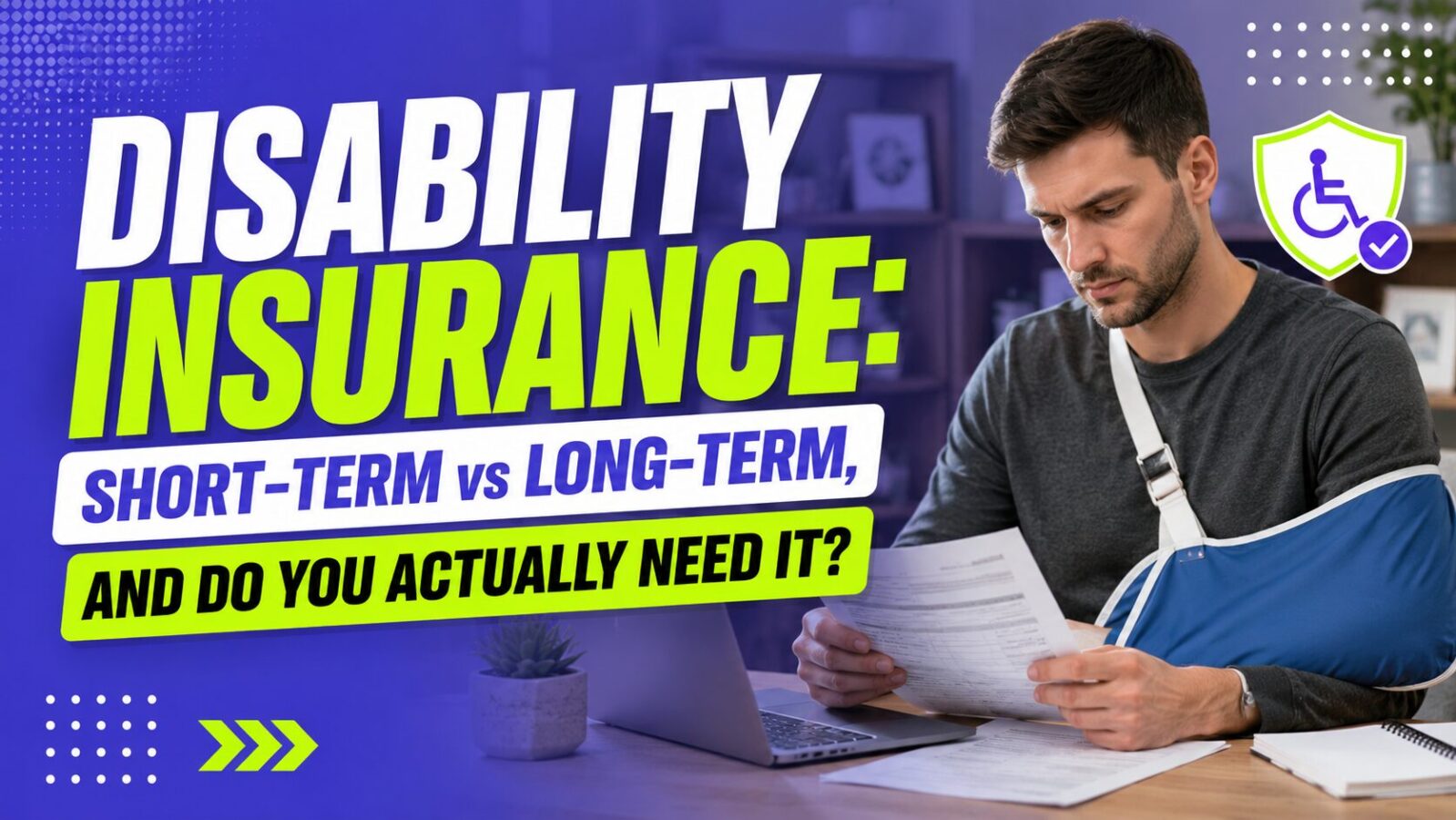
Short-term disability insurance covers about six months and typically replaces 40-70% of your income for temporary situations like surgery recovery or pregnancy. Long-term disability covers a much longer stretch, often years or until retirement, replacing 50-80% of income for serious or ongoing conditions. Most people underestimate how likely they are to need either: over 25% of today’s 20-year-olds will experience a disability before they retire.
KEY TAKEAWAYS
- Short-term disability covers up to about six months, with benefits starting within a couple weeks of a qualifying injury or illness.
- Long-term disability covers years, sometimes until retirement, but has a much longer waiting period, often around 90 days, before benefits begin.
- Only about 40% of workers have employer-provided short-term coverage, and just 35% have long-term coverage, leaving most people exposed if their employer doesn’t offer it.
- The average long-term disability claim lasts nearly three years (about 34.5 months), a long time to go without full income if you’re uninsured.
- Social Security disability benefits alone are often insufficient, averaging around $1,630 a month, below the poverty guideline for a two-person household.
What’s the Real Difference Between Short-Term and Long-Term Disability?
Short-term disability is designed to bridge a temporary gap, recovery from surgery, a difficult pregnancy, a short-term illness, replacing roughly 40-70% of your income for up to about six months, with benefits typically starting within a couple of weeks. Long-term disability is designed for serious, ongoing conditions that keep you out of work for years, replacing 50-80% of income but requiring a much longer “elimination period,” often around 90 days, before payments begin. Many people carry both, using short-term to bridge the gap while a long-term claim, if needed, gets approved.
How Common Is a Disability Actually?
More common than most people assume. Over 25% of today’s 20-year-olds will experience a disability lasting 90 days or longer before they reach retirement age, according to Social Security Administration data. Despite this, more than 51 million working-age U.S. adults lack adequate disability coverage beyond Social Security, and a large share of households couldn’t cover an unexpected $400 expense without borrowing, making an uninsured disability a genuinely severe financial event, not a remote possibility.
Isn’t Social Security Disability Insurance (SSDI) Enough?
For most people, no. SSDI has strict eligibility requirements (your condition generally must prevent any substantial work and be expected to last at least a year or result in death) and the average benefit is only around $1,630 a month as of 2026, below the poverty guideline for a two-person household. It’s also common for initial SSDI applications to be denied, requiring an appeals process that can take months. SSDI is a safety net, not a replacement for adequate income protection.
Do You Have Coverage Through Work?
Check your employee benefits, many employers offer short-term disability, and fewer offer long-term, but coverage amounts and definitions of “disability” vary significantly by policy. If you’re self-employed or a gig worker without employer benefits, this gap is worth taking seriously, similar to how our health insurance for freelancers guide covers the parallel gap in health coverage. Individual disability policies exist specifically for people without access to employer coverage.
How Much Coverage Do You Actually Need?
- Calculate your essential monthly expenses, not your full income, since most policies only replace 50-80% anyway, and figure out what you’d genuinely need to cover rent/mortgage, food, and debt payments.
- Check your employer’s definition of “disability” in the policy, some define it as unable to do any job, others as unable to do your specific job, a meaningful difference in how easily you’d actually qualify for benefits.
- Consider both short and long-term coverage together, rather than assuming one covers the gap the other doesn’t.
How Does This Relate to Life Insurance?
Disability insurance and life insurance protect against different risks, and people often prioritize life insurance while overlooking disability, even though you’re statistically more likely to become disabled during your working years than to die during them. Both are worth reviewing together as part of your overall insurance coverage plan, rather than treating disability as an afterthought.
FAQ
What’s the difference between short-term and long-term disability insurance?
Short-term covers up to about six months with benefits starting quickly, while long-term covers years (sometimes until retirement) but has a longer waiting period, often around 90 days, before benefits begin.
How likely am I to become disabled during my working years?
More likely than most people think, over 25% of today’s 20-year-olds will experience a disability lasting 90 days or more before retirement age.
Is Social Security disability enough to live on?
Usually not. The average SSDI benefit is around $1,630 a month as of 2026, below the poverty guideline for a two-person household, and qualifying has strict requirements.
Do I need disability insurance if my employer offers it?
Check the coverage amount and definition of disability carefully, employer coverage is a good start but sometimes doesn’t fully replace your income, an individual supplemental policy can fill the gap.
Bottom Line
Disability is far more common during working years than most people expect, and Social Security disability benefits alone usually aren’t enough to live on, making short and long-term disability insurance worth reviewing even if it feels like an unlikely need. Check what your employer offers first, then fill any gaps with individual coverage.
A quick note: disability insurance terms, waiting periods, and definitions of disability vary significantly by policy and employer. Reviewing your specific plan documents, or speaking with a benefits advisor, is the best way to understand your actual coverage.