 By
By 
A CP2000 notice usually means the IRS found a difference between your tax return and information reported by someone else, such as an employer, bank, brokerage, or client.
It is not a bill, and it is not an IRS audit. It is a proposed change to your return. You can agree with it, disagree with it, or explain why only part of the proposed adjustment is correct.
The first thing to do is simple: read the notice and respond by the date printed on it.
Key takeaways
- A CP2000 is usually triggered by a mismatch between your return and third-party tax forms.
- The amount shown is proposed, not automatically final.
- Respond by the deadline on your specific notice rather than assuming you always have 30 days.
- If you disagree, send an explanation and documents that support your position.
- If you agree but cannot pay the full amount, you can still respond and then look at IRS payment options.
Why did the IRS send a CP2000?
The IRS receives copies of many of the tax forms you receive.
That can include:
- W-2s from employers;
- 1099-NEC or 1099-MISC forms;
- 1099-INT and 1099-DIV forms;
- brokerage tax forms;
- and other information returns.
The IRS compares that information with what appears on your tax return.
If something does not match, its automated system may generate a CP2000.
For example, you might receive one because a $4,000 1099-NEC was not included on your return or because the IRS believes brokerage income was reported differently.
The IRS CP2000 guide says the difference can increase your tax, decrease it, or result in no tax change at all.
What should you do first?
Do not start by paying the amount on the first page.
Start by checking whether the IRS is right.
Compare the notice with:
- your original tax return;
- the W-2, 1099, or other form listed in the notice;
- your own income and payment records.
Sometimes the IRS really did catch missing income.
Other times, the income was already reported somewhere else, a form was corrected, or the third party reported incorrect information.
The notice should show which company reported the information and what amount the IRS believes does not match.
What if you agree with the CP2000?
Follow the response instructions in the notice and return the required form.
You usually do not need to file an amended return just to make the exact change already proposed in the CP2000.
The IRS specifically says that if the notice is correct and you have no other income, credits, or expenses to report, you can follow the CP2000 instructions without filing Form 1040-X.
If you cannot pay the full amount, do not ignore the notice because of that.
You can respond first and then review options such as an installment agreement. Our IRS payment plan guide explains the main choices.
What if you disagree?
Tell the IRS why.
A useful response is specific and supported by documents.
For example:
- the 1099 was issued for the wrong amount;
- the income was already reported elsewhere on your return;
- the form belongs to another taxpayer;
- a corrected tax form replaced the one used by the IRS;
- or the IRS did not account for related information that changes the tax calculation.
Send copies of supporting records, not your only originals.
The current CP2000 process may allow you to respond through the IRS document upload tool, fax, or mail, depending on the instructions in your notice.
Do you need to file an amended return?
Usually not just because you received a CP2000.
If the IRS proposal covers the entire issue and you agree, following the notice may be enough.
But suppose the CP2000 correctly identifies income you missed and, while reviewing your return, you also discover another deduction or income item that needs correcting.
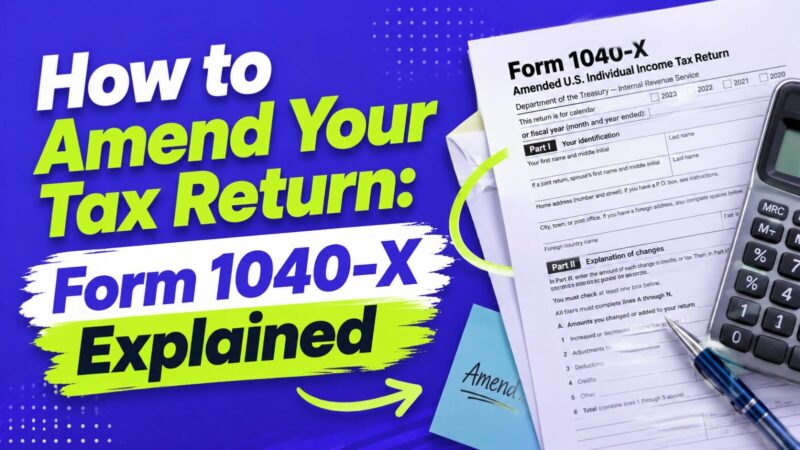
In that situation, the IRS instructs taxpayers to submit Form 1040-X with the CP2000 response.
Our guide to amending a tax return explains how Form 1040-X works.
What happens if you ignore a CP2000?
The proposed amount does not instantly become a collection case the day you miss the first response.
But ignoring the notice can make the problem much harder.
The IRS says that if you do not reply or the discrepancy cannot be resolved, it may send another notice and a bill.
So even if you think the IRS is wrong, respond.
Silence does not tell the IRS why your original return was correct.
CP2000 vs other common IRS notices
Not every IRS letter means the same thing.
| Notice | What it generally means |
|---|---|
| CP2000 | Proposed change because information does not match your return |
| CP14 | IRS says you currently owe unpaid tax |
| CP501 | Reminder that an existing balance is still unpaid |
| CP503 | Later reminder that the IRS still has not received payment or a response |
A CP14 is different from a CP2000 because CP14 is already a balance-due notice. The IRS describes CP501 and CP503 as follow-up reminders for unpaid balances.
If you receive a different notice number, look it up through the IRS notices and letters directory instead of assuming the CP2000 rules apply.
What if the notice looks suspicious?
A real IRS notice usually arrives by mail.
The IRS says it normally makes first contact through the U.S. mail. It does not unexpectedly demand immediate payment through gift cards or threaten you with arrest if you refuse.
If you are unsure whether a notice is real:
- sign in to your IRS Online Account and see whether the notice is available there;
- search the notice number on IRS.gov;
- or call the official IRS number listed on IRS.gov rather than a suspicious number sent by text or email.
Do not assume every phone call is automatically fake. The IRS can make phone contact in some situations, usually after written communication has already occurred.
FAQ
Is a CP2000 the same as an audit?
No. The Taxpayer Advocate Service specifically describes CP2000 as not an IRS audit and not a bill. It is a proposed adjustment based on information that does not match your return.
How long do I have to respond?
Use the response date printed on your notice. The current IRS CP2000 instructions tell taxpayers to reply by the date listed rather than relying on one universal deadline.
Should I amend my tax return after receiving CP2000?
Not automatically. If you agree with the proposed change and have nothing else to correct, the IRS says you generally do not need an amended return.
What if I cannot afford the proposed tax?
Respond to the CP2000 first. If tax is ultimately due, the IRS offers payment plans and other options for taxpayers who cannot pay the full balance at once.
Bottom line
A CP2000 is a request to resolve a mismatch, not a reason to panic or automatically pay whatever amount appears on the notice.
Check the numbers against your records, follow the response instructions, and send the IRS a clear answer by the deadline shown on the notice.