 By
By 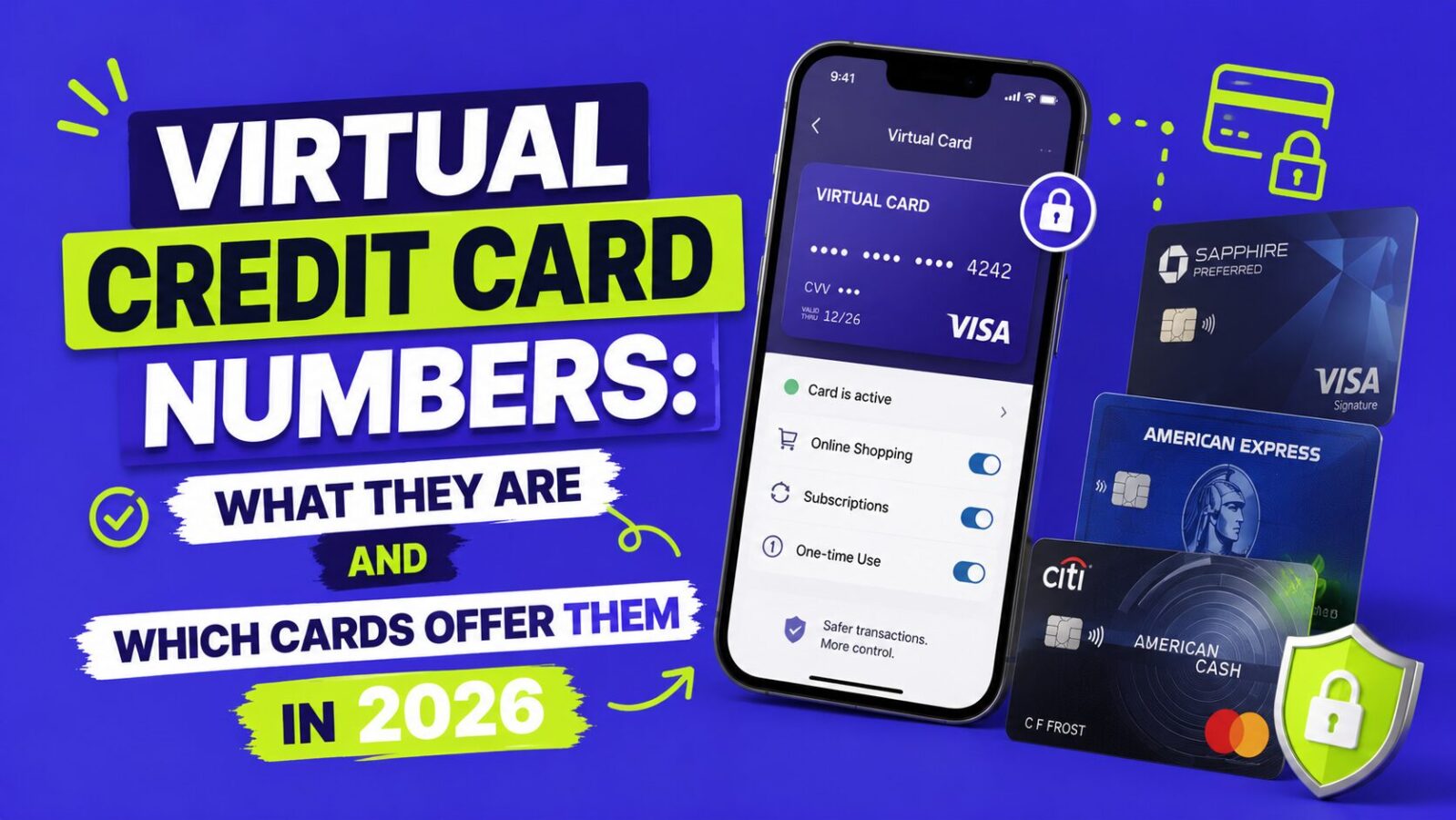
A virtual credit card number is a replacement number linked to your real card account. You use the virtual number online instead of exposing the number printed on your physical card. If a merchant is later breached, the compromised credential may be easier to replace or may have restrictions that limit where it can be used.
That makes virtual cards useful for online shopping, but they are not all the same.
Some virtual numbers work at many online merchants. Others lock to one merchant or expire after one purchase. Apple Pay uses tokenized payment credentials rather than working exactly like a virtual number you manually type into a checkout form. Google offers both wallet-based credentials and, for eligible cards, online virtual card numbers.
My preference is simple:
Use an issuer-provided virtual card when your existing card supports one. Use Apple Pay or Google Wallet when wallet checkout is available. Use a service such as Privacy.com only when you specifically want controls such as merchant locks or spending limits.
What is a virtual credit card number?
A virtual card number is another payment credential connected to an underlying account.
Instead of entering:
your physical card number
you enter:
the virtual number, expiration date, and security code provided for that virtual card.
The purchase still posts to the underlying account.
Google describes its online virtual-card feature as replacing the actual card number with a randomly generated number shared with the merchant. Capital One similarly lets eligible cardholders use virtual numbers instead of the number on their physical card.
The main benefit is reducing exposure of your reusable physical card number.
I would not describe virtual cards as making stolen payment information automatically useless.
That depends on how the virtual number works.
Are all virtual credit cards single-use?
No.
This is one of the biggest misconceptions.
A virtual card can be:
Reusable: The same virtual number works for repeated online transactions.
Merchant-specific: The number works only with a particular merchant.
Single-use: The number closes after a qualifying transaction.
Capital One currently offers eligible cardholders an online virtual number that can stay the same across transactions, plus eligible store-specific virtual cards. Some store-specific numbers can also be created for single use.
Google says issuer implementations also vary. Some use one virtual number with changing security information, while others generate different virtual numbers for different merchants.
So the security benefit depends partly on the type you are using.
Virtual card vs Apple Pay vs Google Wallet
These technologies solve a similar problem but should not be treated as identical.
| Payment method | What the merchant receives | Best use |
|---|---|---|
| Issuer virtual card | Replacement card number | Websites where you normally type card details |
| Apple Pay | Tokenized Device Account Number and transaction security data | Apple Pay checkout and contactless payment |
| Google Wallet | Virtual or tokenized credential for eligible cards | Contactless payment |
| Google online virtual card | Replacement virtual card number | Eligible online or in-app purchases |
| Privacy.com | Separate Privacy virtual card | Merchant controls, subscriptions, spending limits |
The useful question is not:
“Which technology is technically a virtual card?”
It is:
“Can I complete this transaction without giving the merchant my reusable physical card number?”
Capital One virtual cards
For an issuer-native option, Capital One currently has one of the most useful implementations.
Eligible Capital One cardholders can create virtual cards for general online use and, for some accounts, store-specific virtual numbers. Store-specific numbers can be managed separately and some can be configured for single use.
Capital One also allows eligible users to access virtual cards through its website, mobile app, Eno, and certain Google Pay online checkout flows.
Another practical benefit is that you can lock or replace a virtual number without necessarily locking the underlying physical card.
Does every Capital One card get virtual numbers?
No.
Capital One explicitly says that not all card types or account users are eligible to create virtual card numbers.
So I would not choose a Capital One card based on an article promising that every card has the feature.
Check the actual account or card terms first.
Does Citi still offer virtual account numbers?
Citi continues to list Virtual Account Numbers as a benefit on at least some current card-benefit pages.
But I would not publish a broad claim that every Double Cash, Custom Cash, Strata, or other Citi consumer card automatically receives the feature.
Instead:
If you already have a Citi card, sign in and check the benefits available on that specific account.
This is a better approach than maintaining a card-by-card list that can become outdated.
Is Apple Pay a virtual credit card?
Not exactly.
Apple Pay protects your physical card number using payment tokenization.
When you add an eligible card, a Device Account Number is associated with that device. When you pay, Apple says the Device Account Number and transaction-specific security information are used rather than sharing the full physical card number with the merchant.
That gives you an important security benefit:
the merchant does not receive your actual card number.
But Apple Pay is not generally the same as an issuer giving you a virtual card number that you can manually enter on any website.
So when Apple Pay is offered at checkout, I would simply use Apple Pay rather than creating a separate virtual number unless there is another reason not to.
Does Google Pay create virtual card numbers?
Google’s system requires a little more nuance.
For eligible cards used with Google Wallet for in-person payments, Google can create a virtual payment credential when the card is added.
Google also offers a separate online and in-app virtual card number feature for eligible cards.
Google says this feature is limited to select banks, networks, cards, and markets. Only eligible cards show the option to turn on a virtual card.
So I would remove:
“Google Pay automatically gives every card a virtual number.”
It does not.
What is Privacy.com?
Privacy.com is useful when you want controls beyond what your normal card issuer provides.
Its current free Personal plan allows eligible users to create up to 12 new virtual cards per month and includes:
- merchant-locked cards;
- single-use cards;
- spending limits;
- card pausing and closing.
Privacy currently supports funding through eligible U.S. checking accounts and debit cards rather than normal credit cards.
That means it is not simply another way to mask a rewards credit card.
It is a separate payment service.
Merchant-locked cards are particularly useful
Privacy’s merchant-locked card becomes tied to the first merchant that successfully uses it.
Future authorization attempts from other merchants are then declined.
That is useful for recurring charges because a compromised card number has less value outside the merchant it was created for.
Capital One offers a similar merchant-specific concept for eligible virtual cards.
For a subscription you expect to keep for a while, I prefer a merchant-specific number over repeatedly exposing a general-purpose physical card number.
What about spending limits?
Privacy currently lets users place spending limits on individual virtual cards, including per-transaction and recurring time-based limits.
This can be useful when you want a merchant to have access only within a defined spending range.
For example, if a service should cost around $15 per billing cycle, you could create a separate card with an appropriate limit rather than giving that merchant unrestricted access to a normal debit-card number.
But treat the limit as a payment control.
It is not a replacement for reviewing your statements.
Can you use a virtual card for a free trial?
Yes, when the merchant accepts that type of virtual card.
But I would not recommend deliberately setting an impossible limit just to avoid canceling a trial.
If you do not want a subscription to renew:
cancel the subscription.
A single-use card, closed card, or spending limit may block a future authorization, but blocking the payment does not necessarily terminate the contractual relationship with the merchant.
The payment credential and the underlying subscription agreement are two different things.
Should you close a virtual card instead of canceling a subscription?
No.
Privacy lets users pause or close virtual cards, and doing so blocks future transactions on that credential.
That can be useful if:
the card is compromised
or
you no longer want that merchant to have a usable payment credential.
But if you want to end a subscription, cancel it with the merchant as well.
A blocked payment should be your backup control, not your cancellation strategy.
When are virtual card numbers most useful?
I would use them in four situations.
Online stores where you would otherwise type your card number
If your issuer makes creating a virtual number easy, there is little downside to keeping the physical number out of another merchant database.
Recurring subscriptions
A merchant-specific virtual number isolates that subscription from the rest of your card use.
If that credential needs to be replaced, you do not necessarily have to update every merchant that uses your physical card.
Merchants you use only occasionally
A virtual number can keep your reusable card number from being stored with another company you may not shop with again for years.
Purchases where you want a spending limit
A service such as Privacy can provide tighter transaction controls when your normal card issuer does not.
What virtual cards do not protect against
Virtual card numbers are useful, but they are not a complete fraud-prevention system.
Account takeover
If a criminal gets into your credit-card or bank account, hiding the physical card number from merchants does not solve the problem.
Use strong unique passwords, multifactor authentication when available, and issuer alerts.
Phishing
A virtual card cannot protect you if you give a scammer account credentials or authentication codes.
Fraud that works within the virtual card’s rules
A reusable virtual card can still potentially be misused.
A merchant-specific credential also remains usable at that merchant until it is restricted or replaced.
Bad merchants
A virtual card does not guarantee that:
a product will arrive
a refund will be issued
or
a subscription company will behave properly.
It reduces payment-card exposure. It does not make the merchant trustworthy.
Are virtual cards safer than using your physical number online?
Usually, I prefer the virtual number when there is no meaningful downside.
The main reason is compartmentalization.
If you use the same physical card number at 30 websites, one compromised credential potentially affects the number used everywhere.
If some merchants receive separate virtual numbers, replacing one compromised credential can be much less disruptive.
That does not mean your physical credit card is inherently unsafe to use online.
Credit cards already have fraud protections, and issuers monitor suspicious activity.
Virtual numbers simply add another layer.
Do virtual-card purchases still earn rewards?
For Capital One, the issuer currently states that eligible purchases made through its virtual cards continue earning card rewards as normal.
But I would not turn this into a universal rule for every issuer benefit.
A particular statement credit, merchant offer, insurance benefit, or promotion can have payment-method restrictions.
For example, Citi currently has at least one card offer whose terms exclude purchases made through virtual account numbers or digital wallets from that particular benefit.
So:
normal rewards may follow the underlying card
but
check the terms when you are trying to trigger a specific promotion or card benefit.
Which virtual card option should you use?
You already have an eligible Capital One card
Start with Capital One’s own virtual cards.
There is little reason to add another service if the issuer already gives you the controls you need.
The merchant accepts Apple Pay
Use Apple Pay.
It keeps your actual card number from the merchant without requiring you to create a separate number manually.
You use an eligible Google virtual card
Use Google’s virtual-card option for online checkout.
Just remember that availability depends on the underlying card and issuer.
You specifically want merchant locks or spending limits
Privacy.com is worth considering.
Its free Personal plan currently includes both merchant-locked and single-use cards plus spending controls.
You have a Citi card
Check your Citi account benefits.
Virtual Account Numbers remain available on some Citi products, but do not assume your particular card qualifies.
Do you need to open a new credit card just for virtual numbers?
Usually not.
I would not open a credit card solely because one issuer has a nicer virtual-card interface.
A new credit card should make sense based on the complete product:
fees
rewards
APR if you ever carry a balance
benefits
approval fit
and
how you actually spend.
Virtual-card support is a useful feature, not enough by itself to make a card good.
If your existing card works with Apple Pay, Google Wallet, or an issuer virtual-number system, start there.
Frequently asked questions
What is a virtual credit card number?
A virtual credit card number is a replacement payment credential connected to your real card account. The merchant receives the virtual number rather than the number printed on your physical card.
Are virtual credit cards single-use?
Not necessarily. Some are reusable, some are merchant-specific, and some close after one transaction.
Is Apple Pay a virtual credit card?
Not in the same sense as a manually entered issuer virtual card. Apple Pay uses a Device Account Number and transaction-specific security data so merchants do not receive your full physical card number.
Does Google Pay use virtual card numbers?
Google supports virtual payment credentials for eligible wallet cards and also offers online virtual card numbers for eligible cards. The online feature is not available for every bank, network, or card.
Does Capital One offer virtual cards?
Yes, for eligible accounts. Capital One offers general online virtual cards and eligible store-specific virtual cards, some of which can be single-use. Not every Capital One card or account user is eligible.
Is Privacy.com free?
Its current Personal plan costs $0 per month and allows up to 12 new virtual cards per month, with merchant-locked cards, single-use cards, and spending controls included.
Can a virtual card stop a subscription?
You can block future payment attempts by closing, pausing, or limiting certain virtual cards, but you should still cancel the subscription with the merchant. Blocking a payment credential is not the same as canceling the underlying service.
Do virtual cards prevent credit card fraud?
They can reduce exposure of your physical card number and may limit how a compromised credential can be used. They do not prevent account takeover, phishing, every unauthorized transaction, or merchant disputes.
The bottom line
Virtual credit card numbers are useful because they reduce how often you have to expose the number printed on your physical card.
They do not make fraud impossible, and they are not all single-use.
My order would be:
issuer virtual card if your existing card supports it → Apple Pay or Google Wallet when wallet checkout is available → a service such as Privacy.com when you specifically want merchant-level spending controls.
Capital One currently has a particularly flexible issuer system for eligible cardholders, including general online, store-specific, and some single-use virtual cards.
Apple Pay accomplishes a similar security goal through tokenization rather than functioning exactly like a virtual number you manually enter.
Google’s online virtual-card feature is useful but only available with eligible cards.
Privacy.com adds merchant locks and spending limits when you want more control than your normal issuer provides.
Use virtual cards to compartmentalize payment credentials, not as a substitute for strong account security, checking statements, or properly canceling subscriptions.